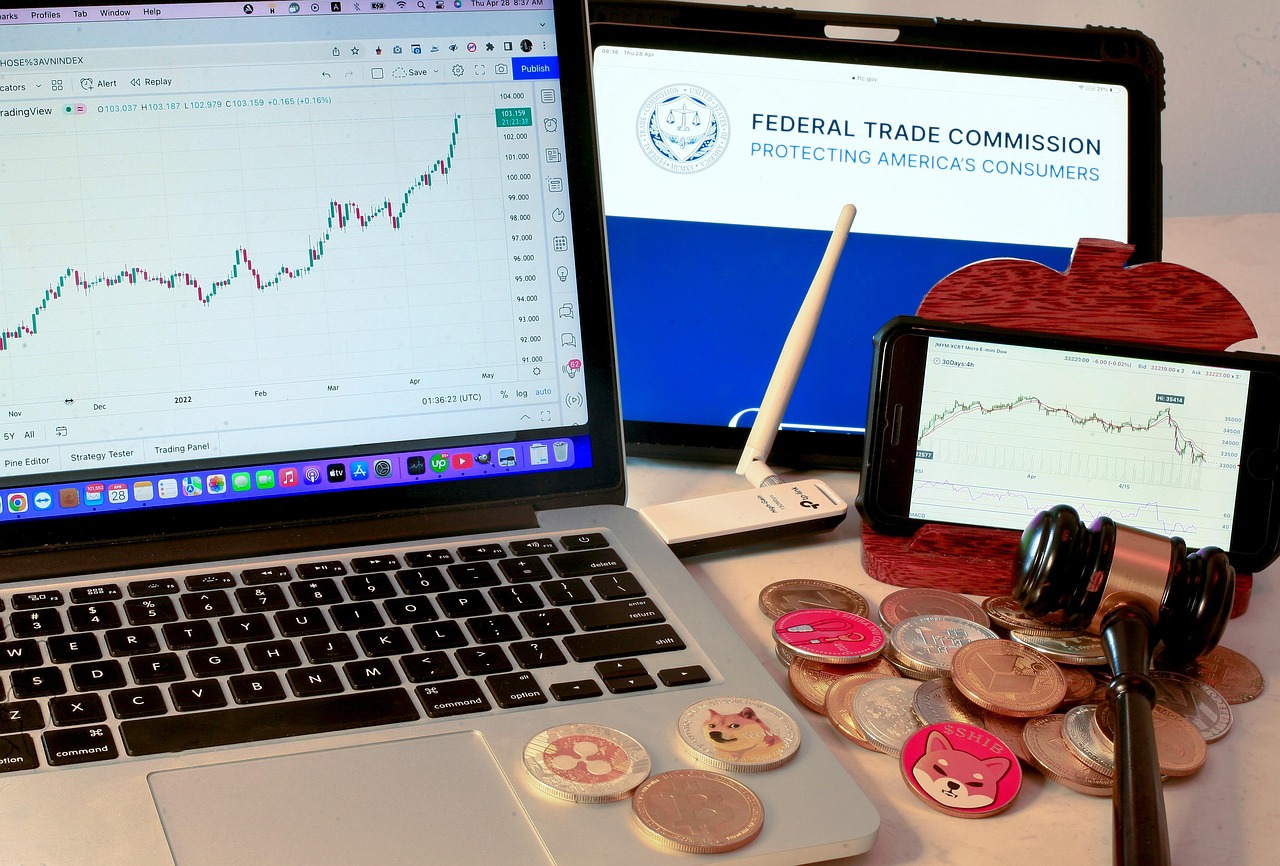


The crypto market is known for its highs and lows — but when prices suddenly drop, investors across the world start asking the same question: why is crypto down today? Over the past few months, the digital asset space has seen increased volatility. Bitcoin, Ethereum, and many altcoins have lost significant value, sparking uncertainty and fear among traders and long-term holders alike.
While market downturns are common in crypto, understanding why they happen can help you make smarter decisions, avoid emotional reactions, and spot opportunities others might miss.
Let’s dive into the major factors driving today’s market decline and what investors can do next.
Understanding Market Fluctuations in Crypto
The crypto market operates 24/7 — there are no closing bells or weekends off. This constant trading environment means prices can change rapidly due to global events, investor behavior, or technical factors.
Short-Term Dips vs. Long-Term Trends
- Short-term dips are normal corrections that happen after rapid gains.
- Long-term trends reflect deeper shifts in market confidence, adoption, or regulation.
While day traders react to quick price movements, experienced investors look at overall market cycles, not daily fluctuations.
The Role of Volatility
Volatility is part of crypto’s DNA. It’s what makes the market exciting — and risky. Sudden swings are driven by:
- Speculative trading
- Low liquidity
- Global economic changes
- News and social media sentiment
Understanding volatility helps you manage risk and stay focused on long-term growth instead of short-term panic.
Major Reasons Why Crypto Is Down Today
The reasons behind crypto downturns often overlap, combining global economics, market psychology, and regulatory pressures.
1. Macroeconomic Factors
Inflation and Interest Rates
High inflation and rising interest rates reduce liquidity in the market. Investors tend to pull money out of risky assets like crypto and move toward safer investments such as bonds or the U.S. dollar.
Global Economic Uncertainty
Events like wars, trade disputes, or economic slowdowns affect risk appetite. When uncertainty grows, markets often decline — and crypto, being a high-risk asset, is hit the hardest.
Correlation with Stocks
Crypto is no longer isolated. Over the past few years, Bitcoin and major coins have become closely correlated with traditional markets like the NASDAQ. When tech stocks drop, crypto usually follows.
2. Regulatory Pressure
Governments and financial authorities around the world continue to shape how crypto operates.
Recent SEC lawsuits, exchange investigations, and restrictions on stablecoins have made investors nervous.
When regulators target exchanges or major projects, traders fear delistings, fines, or even shutdowns — triggering sell-offs across the market.
3. Market Sentiment and Fear Index
Investor psychology plays a massive role in crypto price movements.
Crypto Fear and Greed Index
This index measures market sentiment on a scale of 0 (Extreme Fear) to 100 (Extreme Greed).
- When it’s below 25 → Panic selling often occurs.
- When it’s above 75 → The market may be overbought.
A current reading of “Extreme Fear” signals that investors are anxious — and this usually aligns with falling prices.
How Fear Creates a Chain Reaction
Once fear spreads, small dips can snowball into major crashes as traders rush to sell, amplifying the decline.
4. Exchange Issues or Liquidity Problems
Crypto markets rely heavily on exchange stability and liquidity.
When major platforms face troubles — such as FTX, Binance, or Celsius in past years — it sends shockwaves through the entire market.
Even minor liquidity issues can cause big price swings, especially when large investors (whales) move significant amounts of Bitcoin or Ethereum.
5. Negative News or Social Media Influence
In crypto, one viral tweet can move billions of dollars.
- Celebrity or influencer opinions can trigger FOMO or fear.
- False news about hacks or bans can cause instant sell-offs.
- Misinformation spreads fast, creating panic faster than facts can correct it.
That’s why staying informed through reliable news sources is critical.
Expert Insights on the Current Market Drop
Most analysts agree that today’s downturn is part of a healthy correction phase after months of rapid price increases.
Short-Term vs. Long-Term Outlook
- Short-term: Prices may continue to fluctuate as investors react to macroeconomic data and regulations.
- Long-term: Adoption, innovation, and institutional involvement remain strong, suggesting the market will recover.
Visual Data Snapshot: Crypto Market Cap Over Time
| Year | Global Crypto Market Cap | Bitcoin Dominance | Notable Event |
|---|---|---|---|
| 2018 | $130 Billion | 52% | Post-ICO Crash |
| 2020 | $350 Billion | 60% | COVID Panic & Recovery |
| 2021 | $3 Trillion | 42% | Bull Market Peak |
| 2022 | $850 Billion | 45% | Terra/FTX Collapse |
| 2025 | $1.9 Trillion (current) | 48% | Regulation Phase |
Source: CoinMarketCap, Messari Research (2025)
This chart shows that even after major drops, the crypto market’s total capitalization continues to recover and grow over time.
How Investor Sentiment Shapes Price Movements
In crypto, price is as much about emotion as it is about fundamentals.
Panic Selling vs. Strategic Buying
When investors sell out of fear, prices drop faster than fundamentals would justify.
On the other hand, disciplined buyers use crashes to accumulate quality assets at lower prices.
Community Narratives
Events like Bitcoin halving, Ethereum upgrades, or ETF rumors often shift public mood.
Positive narratives can reverse downward trends quickly once confidence returns.
Smart Investors’ Edge
Experienced traders monitor sentiment indicators and social data tools to understand when fear peaks — often using that as a buying opportunity.
What Investors Should Do When Crypto Is Down
When there is a drop in the crypto market, investors should stay calm and not act on fear or worry the moment they happen. One important thing you can do is look at your portfolio again and make sure it fits with your long-term goals and level of risk tolerance. Spreading your money around different investments can help you be less vulnerable to big losses. A technique called “buying the dip” can help long-term investors get good assets at lower prices when the market goes down.
Also, it’s important to keep up with market trends, news, and changes in regulations, but don’t respond to every short-term change. Setting stop-loss orders and keeping some of your money in stable assets are two disciplined ways to control risk that can help protect your investments. The most important thing to remember during market downturns is to keep a long-term view and not trade based on your emotions.
Long-Term Market Outlook
Despite short-term declines, the crypto market has always shown resilience.
Downturns Create Innovation
Bear markets often clear out weak projects, leaving space for stronger technologies to grow.
During the 2018 crash, major DeFi and Layer-2 networks were developed — innovations that fueled the next bull run.
Recovery Patterns
History shows every major crash is followed by recovery:
- 2018: Recovery started mid-2019
- 2020: COVID crash rebounded in 6 months
- 2022: Market began stabilizing by 2023
Adoption and Institutional Growth
More businesses and governments are exploring blockchain integration, digital payments, and tokenization — strengthening the market’s foundation.
Expert Predictions for the Coming Months
What Analysts Expect
Experts predict mild volatility for the rest of 2025, with gradual recovery led by Bitcoin ETFs and institutional accumulation.
Potential Catalysts for Market Recovery
- Bitcoin Halving (2026) – Historically sparks bullish cycles
- Global Regulations – Could bring clarity and trust
- Institutional Adoption – More funds entering crypto
- Tech Innovations – AI and blockchain convergence
Chart: Top 5 Events That Could Trigger a Market Rebound
| Event | Expected Impact | Timeline |
|---|---|---|
| Bitcoin Halving | High | 2026 |
| Stable Regulation | Medium | Ongoing |
| Spot Bitcoin ETF Expansion | High | 2025 |
| AI Integration in Blockchain | Medium | 2025–2027 |
| DeFi and Tokenization Growth | High | Continuous |
How to Stay Informed and Prepared
To make it through the volatile crypto market, you need to stay aware and ready. Keep up with news sources you can trust and official releases from exchanges, government agencies, and blockchain projects to begin. Keep an eye on market trends, on-chain data, and your own stocks in real time with crypto analytics tools and portfolio trackers. You can also learn about new projects and possible risks by using educational tools, webinars, and community forums.
As part of being ready, you should also have a plan for managing risk. For example, you could set stop-loss limits, diversify your portfolio, and keep an emergency fund in safe assets. Your investments will be safe if you keep up with security tips like two-factor authentication and safe wallet keeping. You can make smart choices, limit your losses, and take advantage of chances even when the market is volatile if you have the right information, tools, and plan ahead.
Conclusion
Crypto downturns can be stressful, but they’re also part of a repeating cycle.
By understanding why is crypto down today, investors can make informed choices, stay patient, and prepare for the next rally. Remember: markets recover, innovation continues, and long-term thinkers often come out on top. So instead of panicking — analyze, adapt, and stay informed.
FAQs
1. Why is crypto down right now?
Because of a mix of global economic conditions, regulatory fears, and negative sentiment among traders.
2. Is the crypto market crash temporary?
Yes. History shows the market always rebounds after periods of correction.
3. Which coins are affected the most?
Altcoins and small-cap tokens usually fall harder than Bitcoin or Ethereum.
4. How do global events influence crypto prices?
Events like inflation spikes or wars affect liquidity and investor confidence.
5. Should I sell my crypto during a dip?
If your holdings are fundamentally strong, holding or accumulating may be better than panic-selling.
6. When will the crypto market recover?
Analysts expect a gradual recovery between late 2025 and early 2026.
7. How can I protect my investments from volatility?
Diversify, use stop-loss tools, and invest only what you can afford to lose.
8. Does Bitcoin still lead the overall market trend?
Yes, Bitcoin remains the main driver of crypto sentiment and market direction.
9. What tools can help analyze market sentiment?
Use the Crypto Fear & Greed Index, Glassnode, and on-chain analytics tools.
10. Is now a good time to invest in crypto?
It depends on your risk tolerance and strategy — but historically, downturns have been strong entry points for long-term investors.
Disclaimer
This article is for informational purposes only and does not constitute financial advice. Cryptocurrency investments are volatile and involve risk. Always conduct your own research or consult a licensed financial advisor before investing.