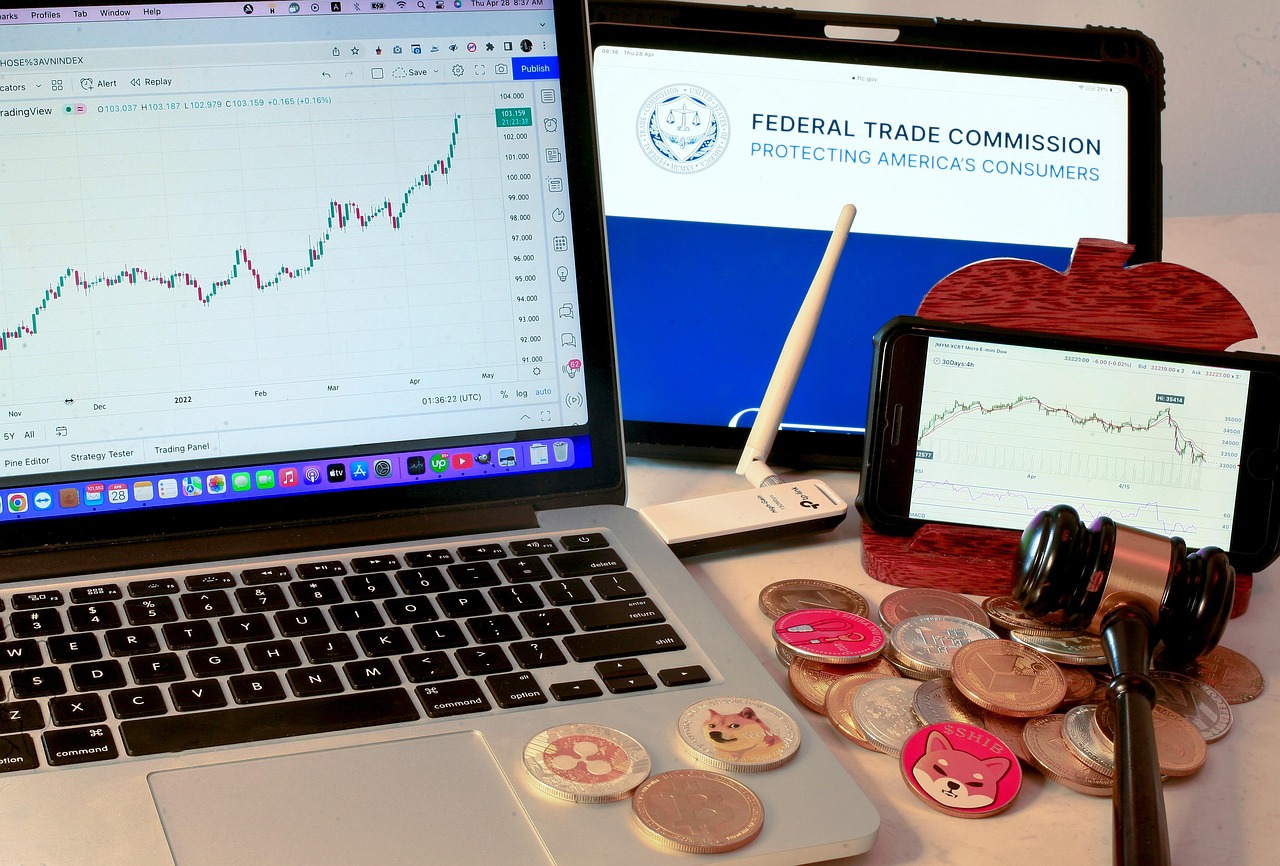

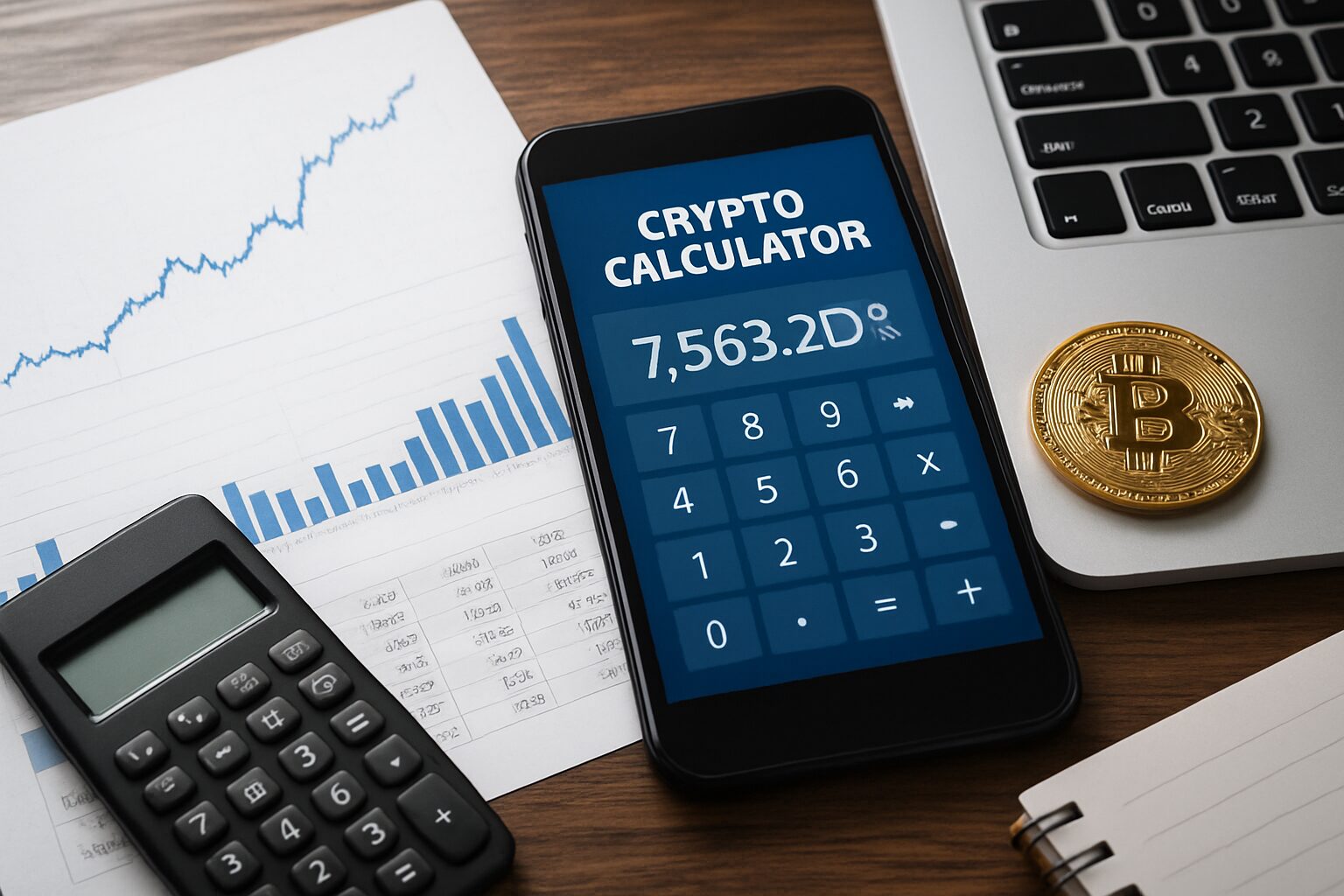
The world of cryptocurrency is fast-paced, and prices change every second. Whether you’re a casual trader or a long-term investor, knowing your potential profits, losses, and taxes is essential. This is where a crypto calculator becomes your best friend.
These tools make it easy to estimate your investment returns (ROI), calculate crypto taxes, and track your portfolio performance—without doing complex math.
In this guide, you’ll discover:
- What crypto calculators are and how they work
- The best crypto calculator tools in 2025
- How to use them to improve your trading and tax strategies
- Expert tips for secure and accurate calculations
What Is a Crypto Calculator?
A crypto calculator is a digital tool designed to help investors estimate potential profits or losses based on current or historical prices. It can also calculate capital gains taxes, staking rewards, or ROI (Return on Investment) for different cryptocurrencies.
Types of Crypto Calculators
- Crypto Profit Calculator – Estimates how much profit or loss you’d make if you sold your crypto today.
- Crypto Tax Calculator – Helps you determine how much tax you owe on trading or income from crypto.
- Crypto ROI Calculator – Shows your total returns over time, including interest from staking or DeFi yield farming.
Unlike simple trading calculators, crypto calculators often integrate directly with exchanges and wallets to pull real-time data, making them far more accurate and convenient.
Why You Need a Crypto Calculator
Trading and investing in crypto involve multiple variables—buy price, sell price, gas fees, and taxes. Doing all this manually can be overwhelming and error-prone.
Here’s why crypto calculators are essential:
- Avoid Manual Errors: Automates complex formulas for accurate profit or tax results.
- Real-Time Market Insights: Keeps you updated with live price data and volatility changes.
- Strategic Investment Planning: Helps you decide the right time to buy or sell.
- Tax Compliance: Ensures you report accurate data to tax authorities and avoid penalties.
In short, a reliable crypto calculator helps you trade smarter and stay compliant while minimizing risk.
Key Features to Look For in a Crypto Calculator
When picking a crypto calculator, the most important things to look for are accuracy and ease of use. A good tool should have price data that is either real-time or regularly updated so that users can make guesses based on how the market is doing right now. Also, you should be able to change the inputs, like the amount of money you invest, the prices you enter and leave at, the time frames you use, and the percentages you make or lose. It’s important to support more than one cryptocurrency, especially for people who are managing diverse portfolios.
Clear profit and loss breakdowns, ROI estimates, and the ability to take trading fees into account are some other useful features. Overall usefulness is improved by an easy-to-use interface, quick calculations, and support for mobile devices. Advanced users can make decisions even better with features like comparing different scenarios, looking at past prices, and changing the settings to suit their needs. In the end, the best crypto calculator is one that is both easy to use and has enough information to help you make smart trading and business decisions.
How do I track my gains and losses automatically?
You can use crypto portfolio trackers and tax tools that connect directly to your wallets and exchanges to automatically keep track of your gains and losses. You can connect these platforms using read-only API keys or blockchain wallet names to get real-time transaction data without having to enter it by hand. Once they are linked, they instantly figure out portfolio performance, cost basis, ROI, profits, and losses across all assets and platforms.
Most tools also take into account selling fees, transfers, and past prices, which helps you get a better idea of how things really stand. Popular trackers keep balances up to date all the time, offer visible dashboards, and make reports for tax purposes or to look at success. Always use read-only API access, turn on two-factor authentication, and pick tracking tools that you can trust to keep your information safe. Tracking things automatically saves time, cuts down on mistakes, and helps you make better investment choices.
Best Crypto Calculator Tools in 2025
Here are the top tools making crypto profit and tax estimation easier this year:
CoinStats Crypto Calculator
Best for: Portfolio tracking and ROI estimation
CoinStats offers an easy-to-use crypto profit calculator that helps you determine your returns over time. You can input your investment amount, choose a date, and instantly see your profits or losses.
Features:
- Supports 8,000+ cryptocurrencies
- Real-time profit and ROI tracking
- Syncs with over 400 exchanges and wallets
CoinLedger (Crypto Tax Calculator)
Best for: Accurate tax reporting
CoinLedger is one of the top-rated crypto tax calculators for 2025. It automatically imports your trades, calculates capital gains, and even generates tax reports for TurboTax.
Features:
- Integrates with Coinbase, Binance, Kraken, and 300+ exchanges
- Supports NFT, DeFi, and staking income
- Generates IRS-ready tax forms
Perfect for U.S. traders looking to simplify crypto tax season.
CoinMarketCap Profit Calculator
Best for: Beginners and quick estimates
CoinMarketCap’s profit calculator is simple yet powerful. Just enter your purchase amount, date, and coin, and it instantly shows how much your investment is worth today.
Features:
- Clean and user-friendly interface
- Works for 2,000+ coins
- Free and requires no account
Ideal for beginners testing different investment outcomes.
CryptoTaxCalculator.io
Best for: DeFi, NFTs, and advanced tax reporting
CryptoTaxCalculator.io is a professional-grade tax solution that supports complex transactions. Whether you’re yield farming or swapping tokens on DEXs, this tool can handle it all.
Features:
- Global tax support (U.S., U.K., Australia, etc.)
- Handles DeFi, NFT, staking, and mining income
- Smart transaction categorization
Trusted by accountants and crypto pros worldwide.
Binance Crypto ROI Calculator
Best for: Binance users and active traders
Binance provides a built-in ROI calculator for its users. It’s especially useful for futures, margin, and spot traders who need quick estimates.
Features:
- Integrated with Binance trading accounts
- Calculates percentage returns instantly
- Great for leverage traders
Perfect for those who trade daily and want instant performance tracking.
TokenTax
Best for: Professional crypto investors
TokenTax is a premium crypto tax management platform that supports multiple exchanges and assets. It also integrates with accounting software to streamline reports.
Features:
- Handles large trading volumes
- Generates full IRS and CPA-friendly tax reports
- Works across global tax jurisdictions
Ideal for high-net-worth crypto investors or fund managers.
Coinbase Tax & Profit Calculator
Best for: Coinbase users
Coinbase’s built-in calculator automatically tracks your profits, losses, and tax liabilities. You can view detailed transaction histories and export reports anytime.
Features:
- Integrated with Coinbase and Coinbase Wallet
- Auto-generated gains and losses
- Beginner-friendly interface
How to Use a Crypto Calculator Effectively
Using a crypto calculator is simple but requires accurate inputs.
Step-by-step:
- Enter Buy Details: Add the coin, buy date, and amount you purchased.
- Add Sell Details (if applicable): Enter your selling price and date.
- Include Fees: Add transaction or exchange fees for precise results.
- Review the Output: The calculator will show your profit, ROI, or tax owed.
- Export Data (optional): Some tools let you generate downloadable reports for record-keeping or tax filing.
Benefits and Limitations of Crypto Calculators
Crypto calculators are helpful tools that help traders and buyers figure out how much they might make or lose based on price changes, the size of their investments, and the length of time they hold on to their positions. One of the best things about crypto calculators is that they make complicated calculations easier to understand. This makes it easier to plan trades, compare different scenarios, and better control risk. They are very useful for both new traders who want quick views without doing a lot of technical analysis and experienced traders who need quick predictions when the market is volatile.
But crypto tools have some problems as well. Because they use data entered by users and current or past prices, the results can change quickly in a market that is very unstable. Most calculators don’t take into account things like slippage, trade fees, taxes, or sudden news events that can have a big effect on the results. So, crypto calculators should only be used to make guesses, along with more in-depth market study, technical analysis, and smart risk management.
Security and Privacy Considerations
Users of crypto-related platforms often deal with private financial info and market insights, so security and privacy are very important. Reliable platforms put a high priority on secure technology, which includes encrypted connections, defense against unauthorized access, and measures to stop data leaks. Privacy concerns may also include getting as little personal information as possible and making it clear how user data is saved, used, and kept safe. People who use crypto should follow best practices like using strong passwords, turning on two-factor authentication when it’s available, and not sharing secret keys or wallet information. This is because cybercriminals often target crypto. In the end, knowing a platform’s privacy and security rules helps users make smart choices and lowers the risks they might face.
Comparison Table: Top Crypto Calculator Tools
| Tool | Type | Supported Coins | Tax Integration | Best For |
|---|---|---|---|---|
| CoinLedger | Tax | 10,000+ | ✅ | Tax filing |
| CoinMarketCap | Profit | 2,000+ | ❌ | Beginners |
| Binance | ROI | Exchange-based | ❌ | Traders |
| TokenTax | Tax | Multi-platform | ✅ | Professionals |
| CoinStats | ROI | 8,000+ | ❌ | Portfolio tracking |
Visual: Global Crypto Tax Adoption and Tool Usage (2025)
(Imagine a simple chart here showing growth trends)
Example Chart:
- 70% of active crypto investors now use calculators for profit tracking.
- 55% use tax calculators for compliance.
- 25% rely on AI-driven ROI forecasting tools.
This data shows how crypto calculators have become essential for modern traders aiming for transparency and profitability.
Future of Crypto Calculators
Looking ahead, the next generation of crypto calculators will use AI and automation to improve accuracy and decision-making.
What’s coming:
- AI Forecasting: Predict future profits using machine learning.
- DeFi Integration: Better tracking for yield farming and NFTs.
- Cross-Platform Syncing: Unified dashboards for all wallets and exchanges.
- Real-Time Tax Tracking: Automatic reporting for every transaction.
The line between crypto calculators and portfolio managers is quickly disappearing.
Conclusion
A crypto calculator is more than just a math tool—it’s your personal assistant for smarter, compliant, and stress-free investing.
By using tools like CoinLedger, CoinStats, or CryptoTaxCalculator, you can:
- Track profits in real time
- Stay compliant with tax authorities
- Plan long-term crypto strategies confidently
FAQs
1. What is the best crypto calculator for beginners?
CoinMarketCap’s profit calculator is simple and ideal for newcomers.
2. Can I use a crypto calculator for DeFi and NFTs?
Yes, advanced tools like CryptoTaxCalculator.io and CoinLedger support DeFi and NFT transactions.
3. Are crypto calculators free to use?
Many offer free versions, but advanced tax or export features may require a paid plan.
4. How accurate are crypto profit estimations?
They’re generally reliable as long as market prices and input data are correct.
5. Which calculator is best for crypto taxes?
CoinLedger and TokenTax are among the best for professional tax reporting.
6. Can crypto calculators connect to my exchange automatically?
Yes, most tools support API integrations with exchanges like Binance, Coinbase, and Kraken.
7. Do I need to pay for advanced tax reports?
Some calculators charge for downloadable reports or CPA-ready formats.
8. Are these calculators safe to use?
Yes, if you choose tools with strong encryption and read-only API connections.
9. What’s the difference between ROI and profit calculators?
Profit calculators show immediate gains or losses, while ROI calculators display long-term return percentages.
10. How can I track my entire portfolio using these tools?
Use multi-exchange tools like CoinStats or Koinly that consolidate all your wallets and exchange data.
Disclaimer
This article is for informational purposes only and does not constitute financial or tax advice. Always consult with a certified accountant or financial advisor before making investment or tax-related decisions.