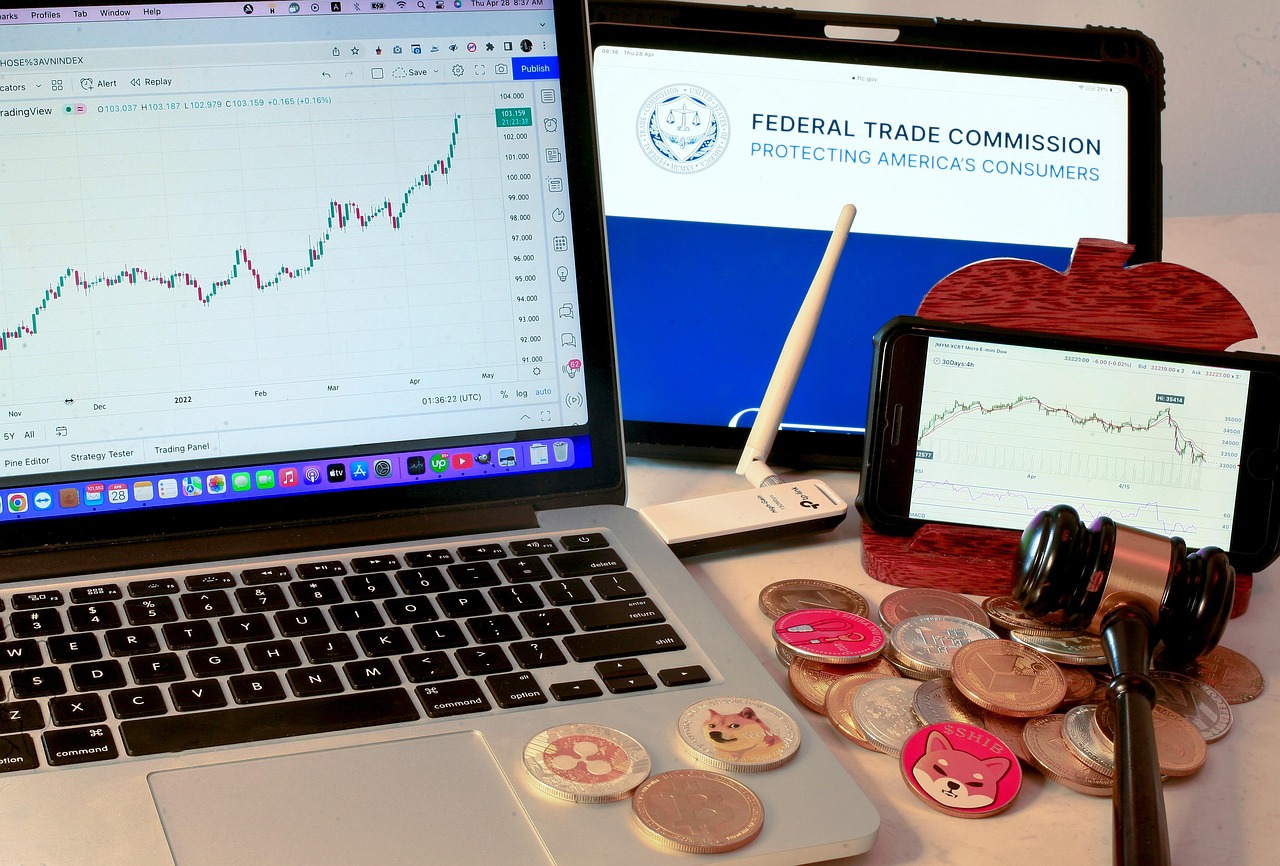


Cryptocurrency trading has seen rapid growth in 2025. More people than ever are investing in Bitcoin, Ethereum, and emerging altcoins. With hundreds of exchanges available, picking the best crypto exchanges is crucial to protect your funds, reduce fees, and ensure a smooth trading experience.
In this guide, you’ll learn what factors to consider whenchoosing a crypto exchange, which platforms are top-rated in 2025, how to start trading safely, and key trends shaping the market.
What Are Cryptocurrency Exchanges?
A cryptocurrency exchange is a website where people can buy, sell, and trade digital currencies like Bitcoin, Ethereum, and other cryptocurrencies. As middlemen, these exchanges bring together buyers and sellers and make sure that deals are safe. There are platforms that only let you trade between cryptocurrencies, while others let you trade digital coins for regular money like USD, EUR, or PHP. Each cryptocurrency exchange has its own set of features, fees, and safety measures, so users need to pick one that fits their trade goals and level of comfort with risk.
Important Cryptocurrency Exchange Tips
When using bitcoin exchanges, it’s important to put security and making smart decisions first. Always pick platforms with a good reputation, a history of success, strong security features like two-factor login, and clear fee structures. Spread your crypto holdings out across different markets to lower your risk. Also, don’t store large amounts of crypto on exchanges; instead, use personal wallets. To make better financial decisions, keep up with market trends, changes to regulations, and trading volumes. Lastly, to keep your losses as low as possible, start with small trades while you learn how to use the site.
Factors to Consider When Choosing the Best Crypto Exchanges
1. Security Measures
Security is the first thing to check. Look for exchanges offering:
- Two-factor authentication (2FA)
- Cold storage for storing the majority of funds offline
- Insurance policies to protect against hacks
These measures protect your funds from theft and cyberattacks.
2. Fees & Costs
Different exchanges charge varying fees. Consider:
- Trading fees: Fixed or percentage per trade
- Withdrawal fees: Some coins have higher withdrawal costs
- Hidden charges: Check deposit fees and conversion fees
Exchanges with transparent and low fees save you money over time.
3. User Experience
A user-friendly platform is essential:
- Mobile apps: For trading on-the-go
- Web platform: Easy navigation and responsive interface
- Ease of use: Beginner-friendly dashboards
4. Range of Cryptocurrencies Supported
The best crypto exchanges offer a wide variety of coins, including Bitcoin, Ethereum, Solana, and other trending altcoins.
5. Liquidity & Trading Volume
High liquidity ensures you can buy or sell crypto quickly without affecting the price. Check the exchange’s daily trading volume.
6. Customer Support & Reputation
Reliable customer support is a must. Look for 24/7 chat, email support, and a strong community reputation to avoid potential issues.
Top Best Crypto Exchanges in 2025
1. Binance
Overview & History: Founded in 2017, Binance is one of the world’s largest crypto exchanges.
Key Features:
- Supports 600+ cryptocurrencies
- Low trading fees (0.1%)
- Advanced trading tools for professionals
Pros: High liquidity, strong security, global reach Cons: Complex interface for beginners
2. Coinbase
Overview & History: Coinbase is a U.S.-based exchange known for simplicity and regulatory compliance.
Key Features:
- Beginner-friendly platform
- Supports multiple fiat currencies
- Integrated wallet services
Pros: Easy for beginners, insured funds Cons: Higher fees compared to competitors
3. Kraken
Overview & History: Kraken has been around since 2011, known for security and reliability.
Key Features:
- Advanced trading options and margin trading
- Staking services
- Strong security features
Pros: Secure and reliable, low fees for professional traders Cons: Interface may be complicated for new users
Visual Example:
Crypto Exchange Comparison (2025)
———————————
Exchange | Fees | Coins | Mobile App | Security
———–|——-|——-|————|——–
Binance | 0.1% | 600+ | Yes | High
Coinbase | 0.5% | 150+ | Yes | High
Kraken | 0.2% | 200+ | Yes | Very High
Top Features to Look for in the Best Crypto Exchanges
When choosing the best crypto exchanges, it’s essential to focus on features that ensure security, ease of use, and cost-efficiency. Here are the top features to consider:
- Security Measures
- Look for exchanges with strong security protocols, such as two-factor authentication (2FA), cold storage for funds, and insurance against hacks.
- Reputable exchanges often undergo regular audits and have a transparent security policy.
- User-Friendly Interface
- A clean, intuitive interface makes trading easier, especially for beginners.
- Features like quick deposit/withdrawal options and a responsive mobile app enhance usability.
- Wide Range of Supported Cryptocurrencies
- The best crypto exchanges offer a variety of coins, including major cryptocurrencies like Bitcoin and Ethereum, as well as emerging altcoins.
- This allows you to diversify your portfolio without needing multiple platforms.
- Low Fees and Transparent Pricing
- Trading fees, withdrawal fees, and deposit fees should be competitive and clearly displayed.
- Look for platforms offering volume-based discounts or zero-fee trading for certain pairs.
- Liquidity and Trading Volume
- High liquidity ensures you can buy or sell assets quickly without affecting market price.
- Check the daily trading volume of the exchange for your preferred cryptocurrencies.
- Customer Support
- Responsive customer support via live chat, email, or phone can be a lifesaver if issues arise.
- Look for exchanges with a reputation for fast and helpful support.
- Regulatory Compliance
- Platforms that comply with local regulations and licensing requirements provide an extra layer of safety.
- This is especially important for preventing fraud and ensuring your funds are protected.
- Advanced Trading Tools
- Features like limit orders, stop-loss orders, margin trading, and charting tools are valuable for experienced traders.
- Some exchanges also offer staking, lending, or other ways to earn passive income on your crypto.
Advantages of Centralized Cryptocurrency Exchanges
Traders like centralized coin exchanges (CEXs) because they have a lot of benefits. They have a lot of money in circulation, which lets people make deals quickly and at reasonable prices. These sites usually have easy-to-use interfaces that make it simpler for people who are just starting out to trade cryptocurrencies. Centralized exchanges also have better customer service, protection, and advanced trading tools like limit orders, margin trading, and charting. They also make it easy to transfer money from fiat to crypto, so users can enter and withdraw both digital assets and fiat currencies.
Best Crypto Platforms for Specific Needs
For Beginners
- Coinbase: Simplified interface, learning resources, and easy deposits.
For Advanced Traders
- Binance: Offers margin trading, futures, and API access for algorithmic trading.
For Low Fees
- Binance & Kraken: Competitive trading fees, discounts for high-volume traders.
For Mobile Trading
- Crypto.com App: Smooth mobile experience with easy trading, staking, and wallet features.
How to Start Trading on a Crypto Exchanges
- Creating an Account & Verification
- Sign up and complete KYC (Know Your Customer) verification if required.
- Depositing Funds
- Deposit via bank transfer, credit card, or crypto transfer.
- Placing First Trade
- Choose a trading pair, set the amount, and execute the trade.
- Security Tips for Beginners
- Use 2FA
- Avoid storing large funds on exchanges
- Use a hardware wallet for long-term storage
Trends Shaping Crypto Exchanges in 2025
1. AI and Machine Learning Integration
Exchanges are increasingly using AI for fraud detection, risk management, personalized trading tools, and automated trading bots, making platforms smarter, more secure, and more user‑friendly.
2. Cross‑Chain Compatibility
Seamless cross‑chain trading and interoperability are becoming essential, allowing assets to move across different blockchains without complex bridges or intermediaries.
3. Regulatory Compliance & Transparency
With evolving legal frameworks worldwide, exchanges are investing in automated KYC/AML processes and stronger compliance systems to build trust and attract institutional investors.
4. DeFi and Hybrid Models
Decentralized Finance features and hybrid exchange models (combining centralized ease with decentralized autonomy) are gaining traction, offering users more control and transparency.
5. Multi‑Asset Support & Tokenization
Platforms are broadening offerings beyond traditional crypto to include tokenized real‑world assets (e.g., stocks, real estate), NFTs, and other digital securities.
6. Layer‑2 Scaling & Faster Transactions
Exchanges are adopting Layer‑2 solutions and enhanced blockchain scaling to reduce fees and improve transaction speed, especially during high market activity.
7. Enhanced Security Features
Security remains paramount, with advanced protocols like multi‑factor authentication, biometric logins, cold storage, and AI‑driven threat monitoring becoming standard.
8. User Experience & Social Trading
Platforms are focusing on intuitive interfaces, social/copy trading, and community engagement tools to attract both new and experienced traders.
9. Institutional Adoption
Traditional financial players and banks are offering crypto trading and custody services, signaling deeper integration with mainstream finance and expanding liquidity.
10. Expansion of Peer‑to‑Peer & Payment Features
Some exchanges are branching into P2P payments and financial apps, enabling users to move value in crypto and fiat more easily.
Frequently Asked Questions (FAQs)
What is the safest crypto exchange in 2025?
Kraken and Binance are among the safest due to strong security measures and insurance.
Which exchange has the lowest fees?
Binance offers some of the lowest trading fees in the industry.
Can I trade crypto without KYC?
Some exchanges allow small trades without KYC, but limits apply.
How do I transfer crypto between exchanges safely?
Always double-check wallet addresses and use 2FA. Consider small test transfers first.
Which crypto exchange is best for beginners?
Coinbase is ideal for beginners because of its simple interface, educational resources, and easy fiat-to-crypto deposits. Crypto.com also offers beginner-friendly mobile apps.
Which crypto exchange is best for advanced traders?
Binance and Kraken are perfect for advanced traders. They provide advanced trading tools, margin trading, API access, and support for a wide variety of coins.
Can I earn passive income on crypto exchanges?
Yes. Many exchanges offer staking, savings, or DeFi integration. For example, Binance and Kraken allow you to stake coins like Ethereum or Solana to earn rewards.
How do I choose the best crypto exchange for me?
Consider factors like security, fees, supported cryptocurrencies, user experience, and trading volume. Also, think about your goals: beginner trading, advanced trading, mobile use, or low fees.
Conclusion
Choosing the best crypto exchange in 2025 depends on your needs security, fees, ease of use, and supported coins. For beginners, Coinbase is ideal. Advanced traders may prefer Binance or Kraken. Mobile trading enthusiasts will benefit from apps like Crypto.com.
Stay updated with trends like no-KYC trading and DeFi integration to make the most of your crypto investments.
Disclaimer
Cryptocurrency trading involves risks, and past performance does not guarantee future results. Always do your own research before investing and only invest funds you can afford to lose.