
In today’s world, a fast broadband connection is key for streaming, gaming, and online work. It’s important to check your internet plans often to make sure they’re right for you. Many speed test tools are online, giving you quick results. Sites like FAST.com and Speedtest by Ookla show your upload and accurately. Knowing your internet speed helps you choose the right online activities and internet plans. This article will show you how to use these tools and understand their results, including charts and stats.
Key Takeaways
- Understand the importance of checking your internet speed regularly.
- Learn about popular free internet speed test tools.
- Discover how to interpret the results from these tools.
- Make informed decisions about your broadband connection.
- Optimize your internet plans based on your speed test results.
What is a good internet speed?
A good internet speed depends on how you use your connection and how many devices are online at the same time. For basic browsing, social media, and emails, speeds of 5–10 Mbps are usually sufficient. For HD streaming, video calls, or online gaming, a speed of 25–50 Mbps or higher is recommended. If your household has multiple users streaming 4K content, gaming, or transferring large files, speeds of 100 Mbps or more provide a smoother experience. Beyond raw numbers, low latency (ping) and stable connections are equally important, especially for gaming or real-time applications. Essentially, a good internet speed balances your household’s needs with consistent performance.
How much internet speed do I need?
The internet speed you need depends on how many people and devices are using your network and what activities you do online. For light use like browsing, emails, and social media, speeds of 5–10 Mbps per device are usually enough. For streaming HD or 4K video, video calls, or online gaming, you’ll want 25–50 Mbps or more per user. If your household has multiple users streaming, gaming, or working from home simultaneously, speeds of 100 Mbps or higher help prevent slowdowns. Keep in mind that upload speed and low latency are also important for video calls, gaming, and uploading files. Choosing the right speed ensures everyone in your home can use the internet smoothly without interruptions.
Understanding Internet Speed Metrics
To move smoothly in the digital world, knowing internet speed metrics is key. These metrics show how well your internet connection works. They help spot problems and make your online time better.
Download vs. Upload Speeds
Download speed is how fast data comes to your device, important for streaming and browsing. Upload speed is how fast data goes from your device to the internet, key for video calls and sharing files. Having both speeds balanced makes your online time smooth.
Latency and Ping Explained
Latency, or ping, is how long it takes for data to go from your device to a server. Low latency is crucial for fast activities like gaming and video calls. High latency can slow down these activities.
Jitter and Packet Loss
Jitter is when latency changes, making data transfer uneven. Packet loss is when data packets don’t reach their destination, causing poor internet quality. Both can hurt your online experience.
What Speeds Do You Really Need?
The speed you need depends on what you do online. For simple browsing, slower speeds are okay. But for streaming and gaming, you need faster speeds. Knowing what you need helps pick the right internet plan.
| Activity | Recommended Speed |
|---|---|
| Basic Browsing | 1-5 Mbps |
| Streaming HD Video | 5-10 Mbps |
| Online Gaming | 10-50 Mbps |
Why Regular Internet Speed Testing Matters
Testing your internet speed often is crucial for good network performance. It helps make sure you’re getting the speeds your internet service provider (ISP) promised.
Verifying ISP Promised Speeds
Testing your internet speed is mainly to check if your ISP is delivering what you pay for. If your speeds are much lower, it’s time to talk to your ISP or look for a new one.
Identifying Connection Problems
Speed tests can spot connection problems early. A sudden speed drop might mean there’s an issue with your connection that needs fixing.
Optimizing Home Network Performance
Regular speed tests help you optimize your home network for better performance. Knowing your network’s limits helps you decide on upgrades or changes.
Tracking Performance Over Time
Tracking your speed test results over time shows trends and patterns. This info is key for solving ongoing issues or talking to your ISP “The internet is a vital tool in today’s world, and having a reliable connection is crucial for both work and leisure.”
How to Test Internet Speed Properly
Testing your internet speed is more than just clicking a button. It needs a strategic approach. Follow these guidelines to optimize your internet speed testing process.
Preparing Your Device for Accurate Testing
Before running a speed test, close any unnecessary applications and background programs. This includes streaming services, file downloads, and online backups. Doing this minimizes their impact on your test results.
Choosing the Right Testing Time
The time you test your internet speed can affect the results. Test during different times of the day to account for network congestion. Speeds are usually slower during peak hours (evenings) and faster during off-peak hours.
Multiple Tests vs. Single Test
One test can be misleading. Conduct multiple tests over a period to get a comprehensive view. This helps identify any patterns or anomalies in your connection.
Documenting Your Results
Keep a record of your test results, including the date, time, and speeds. Documenting your results lets you track your internet performance over time. This helps you make informed decisions about your service.
By following these steps, you can ensure accurate and reliable internet speed tests. This gives you a clear picture of your broadband’s performance.
How Internet Speed Tests Actually Work
Internet speed tests measure how fast your connection can send and receive data between your device and a test server. When you run a speed test, it sends small data packets to the server and measures the time it takes to travel back and forth, calculating your download speed (how fast you receive data), upload speed (how fast you send data), and ping or latency (the delay in milliseconds).
Top Free Tools to Test Internet Speed
Speedtest by Ookla
- Accurate download, upload, and latency results
- Available on web, iOS, and Android
- Large server network worldwide
Fast.com (by Netflix)
- Quick and simple download speed check
- Great for streaming performance
- No setup or account needed
TestMy.net
- Browser-based, uses HTML5 (no plugins)
- Provides detailed download and upload stats
- Can compare historical test results
SpeedOf.Me
- Visual, real-time graphs of speed performance
- Works in any modern browser
- Ideal for checking Wi-Fi or cellular connections
HighSpeedInternet.com Speed Test
- Measures both Wi-Fi and cellular speeds
- Offers practical insights into connection quality
- Easy-to-read interface
Understanding Speed Test Statistics and Graphs
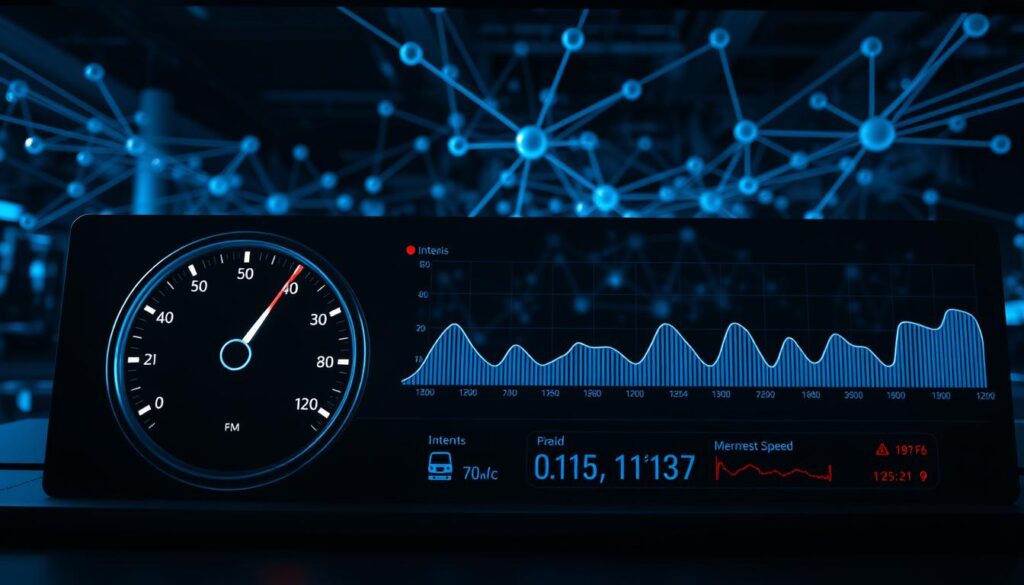
Speed test results often come with statistics and graphs that help you understand your internet performance. Download speed shows how fast data travels from the internet to your device, while upload speed measures how quickly you can send data out. Ping or latency indicates the delay in milliseconds between your device and the server, which is important for gaming and video calls.

Browser-Based vs. App-Based Speed Tests
Internet speed tests can be run either directly in a web browser or through dedicated mobile or desktop apps, and each approach has its advantages. Browser-based tests, like SpeedOf.Me or Fast.com, are convenient because they don’t require installation and work across different devices, but they may be affected by browser settings or background tabs. App-based tests, like Speedtest by Ookla or Meteor, often provide more detailed results, can automatically log historical tests, and sometimes offer advanced features like server selection or Wi-Fi vs. cellular comparisons. When choosing between the two, consider whether you need quick, one-time results or more comprehensive, trackable data to monitor your connection over time.
Factors That Can Affect Speed Test Accuracy
Knowing what affects speed test accuracy is key for getting reliable results. Many things can change how your internet speed test turns out. It’s important to think about these factors to get an accurate reading.
Device Limitations
Your device’s abilities greatly impact your speed test results. Older or less powerful devices might struggle with fast data transfers. This can skew your test results.
Wi-Fi vs. Wired Connections
The connection type you use for your speed test matters a lot. Wired connections usually give more accurate results than Wi-Fi. This is because wired connections are less likely to get interrupted.
Network Congestion
When many devices use the same network, it can slow things down. This is called network congestion. It can make your speed test results less accurate if not managed well.
Background Applications
Apps running in the background can use up bandwidth. This can mess with your speed test results. It’s a good idea to shut down any apps you don’t need before testing your speed.
VPN Usage
Using a VPN can also affect your speed test results. VPNs can add extra delay and slow down your internet speed.
| Factor | Impact on Speed Test |
|---|---|
| Device Limitations | Can reduce test accuracy due to processing power constraints |
| Wi-Fi vs. Wired | Wired connections provide more accurate results |
| Network Congestion | Can lead to slower speeds and inaccurate results |
| Background Applications | Consumes bandwidth, affecting test results |
| VPN Usage | Can introduce latency and reduce internet speed |
Mobile Speed Testing Tools and Considerations
Testing internet speed on mobile devices requires both reliable tools and awareness of factors that can affect results. Popular mobile speed testing apps include Speedtest by Ookla, Fast.com, and Meteor, which measure download and upload speeds, latency, and overall network performance. When testing on mobile, keep in mind that results can vary depending on cellular signal strength, Wi-Fi coverage, network congestion, and even the device’s hardware. For the most accurate reading, it’s best to test multiple times at different locations and compare results. Mobile speed tests are essential for troubleshooting slow connections, checking network coverage while on the go, and verifying that your mobile plan delivers the speeds promised by your provider.
Using Speed Test Data to Improve Your Connection
To get the most out of your internet, it’s key to know how to use speed test data. By looking at your internet speed test results, you can spot areas to improve. This helps make your online experience better.
Identifying Bottlenecks
The first step to better internet is finding bottlenecks. Speed test data shows if your ISP is giving you the speeds you pay for. If your speeds are always lower than expected, it might mean a problem with your ISP or home network.
Router Optimization Techniques
Your router is key to your internet. Making your router’s settings better can really boost your speeds. Try keeping your router’s firmware up to date and placing it to avoid interference.
When to Upgrade Your Equipment
Old equipment can slow down your internet. If your router or modem is old, it might be time for a new one. Newer hardware can handle faster speeds.
ISP Plan Considerations
Your ISP plan affects your speeds too. If your speeds don’t meet your needs, think about getting a better plan.
Creating a Performance Improvement Plan
By looking at your speed test data, you can make a plan to improve your internet. This might include better router settings, new equipment, or a different ISP plan. “The key to improving your internet connection lies in understanding your speed test data and taking proactive steps to address any issues. By taking these steps, you can greatly improve your online experience.
Conclusion: Making the Most of Free Speed Test Tools
Using free speed test tools is key to knowing your internet speed. They help you see if your Internet Service Provider (ISP) is giving you what you pay for. This is important for your online experience.
Speed tests can spot problems like too much traffic or old hardware. Tools like Speedtest by Ookla, Google Speed Test, and Fast.com by Netflix make it easy to check your speed. They also let you see how your speed changes over time.
Looking at your speed test results can help you improve your home network. You might need to update your gear or tweak your router settings. Faster internet means better streaming, gaming, and work from home.
Free tools give you the power to manage your internet better. This way, you can get the best from your internet plan.