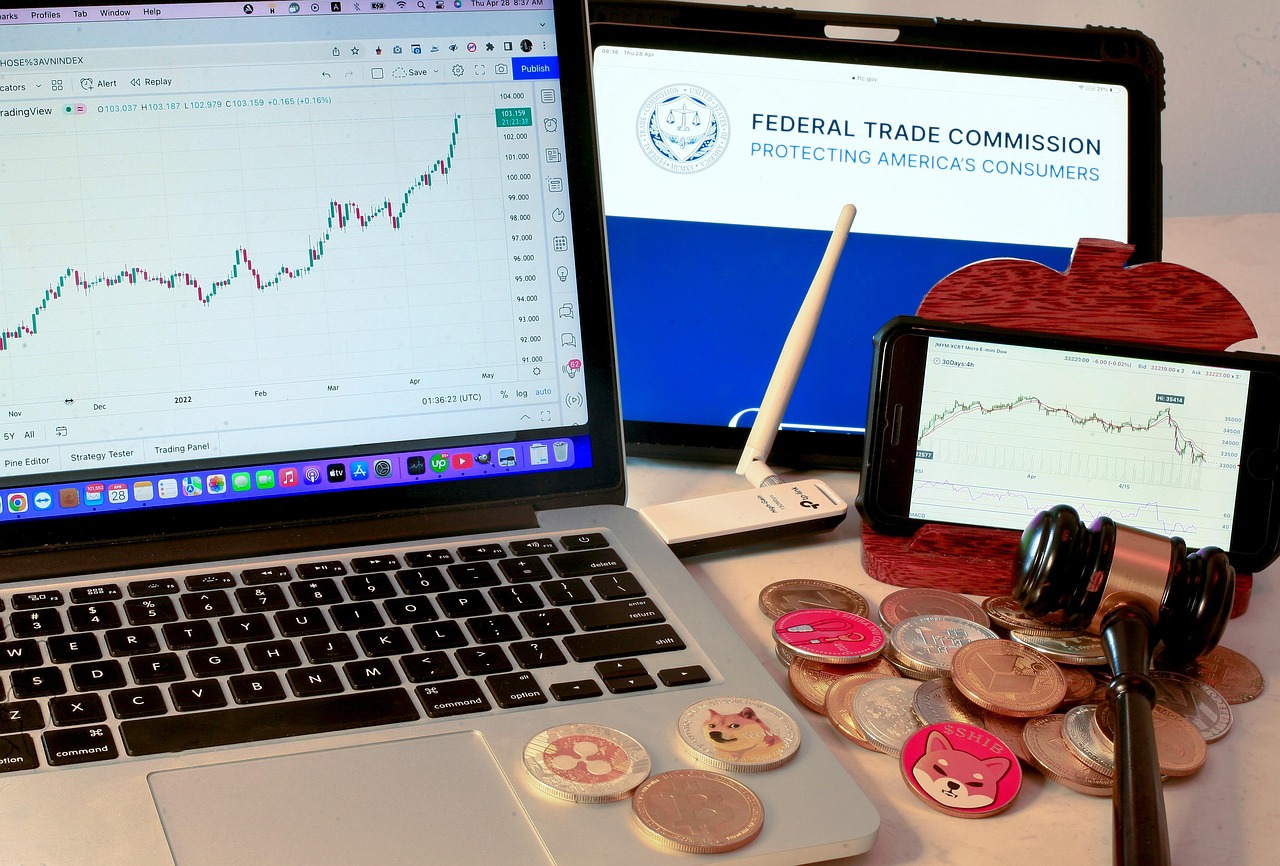


Interest in privacy-focused cryptocurrencies has been rising again as more users seek control over their data and financial activity. In an era of increased surveillance and data leaks, Top Privacy Coins like Zcash, Monero, Dash, and Decred provide a much-needed layer of anonymity for digital transactions.
These leading privacy coins are designed to hide wallet addresses, transaction amounts, and participant identities—offering a secure and private alternative to traditional cryptocurrencies like Bitcoin. As demand for digital privacy grows, Top Privacy Coins continue to play a vital role in shaping the future of secure, decentralized finance.
What Are Privacy Coins and Why They Matter
Privacy coins are cryptocurrencies that focus on keeping transactions private and untraceable. Unlike Bitcoin, where anyone can view transaction details on the blockchain, privacy coins use encryption techniques to protect user data.
Key Privacy Technologies
- Ring Signatures: Used by Monero to mix transactions, making it nearly impossible to identify the sender.
- Zero-Knowledge Proofs (zk-SNARKs): Used by Zcash to verify transactions without revealing details.
- CoinJoin: Used by Dash and others to mix multiple transactions for enhanced privacy.
These technologies ensure financial anonymity—a feature becoming increasingly valuable in today’s data-driven world. However, privacy coins also face regulatory challenges, as some governments argue they could be used for illicit activities. Despite this, their legitimate use cases—such as financial privacy and data protection—remain strong.
What Makes a Coin “Private”?
Some coins are “private” if they hide important transaction information on the blockchain, like who sent the coin and how much, from the public. This is made possible by privacy coins’ unique cryptographic features, such as ring signatures, secret addresses, and zero-knowledge proofs, which make it very hard for outsiders to track transactions. In Bitcoin or Ethereum, the past of all transactions is public. With private coins, however, all financial activity is kept private by default, protecting users from being tracked or spied on. In the end, a coin is “private” if it lets users make transactions safely and secretly while hiding their balances and payment information from other users.
Are Privacy Coins Legal?
Depending on the country and its laws, privacy coins may or may not be allowed. Most countries allow people to own and use privacy coins, but some governments have put limits or bans on them, especially on platforms, because they are worried about money laundering, tax evasion, or other illegal activities. Some countries, like Japan, South Korea, and parts of the EU, have limited or taken down trading sites for certain privacy coins. Other countries, on the other hand, still allow their use under normal cryptocurrency rules.
Users need to know the local laws and follow any tax or reporting rules. This is because government oversight is changing, which could affect how privacy coins can be legally spent or traded.
Market Overview: The Rise of Privacy Coins This Week
The privacy coin market has seen a noticeable surge this week, reflecting renewed investor confidence amid broader market volatility.
Key Market Drivers
- Increased demand for anonymous transactions
- Global regulatory crackdowns pushing users toward decentralized solutions
- Rising concerns about on-chain surveillance
Below is a quick look at the weekly performance of the top privacy coins (as of this week):
| Coin | Price (USD) | 7-Day Change | Market Cap (USD) | Trading Volume (24h) |
|---|---|---|---|---|
| Monero (XMR) | $165.40 | +5.8% | $3.0B | $120M |
| Zcash (ZEC) | $29.70 | +4.2% | $510M | $45M |
| Dash (DASH) | $32.10 | +3.5% | $375M | $30M |
| Decred (DCR) | $16.80 | +6.1% | $245M | $25M |
Visual suggestion:
Insert a bar chart or line graph comparing 7-day performance and market cap trends among these coins. This visual helps readers quickly grasp which privacy coin is leading in short-term momentum.
Zcash (ZEC): Shielded Transactions at the Core
Zcash is one of the most advanced privacy coins, using zk-SNARKs (Zero-Knowledge Succinct Non-Interactive Arguments of Knowledge). This technology allows transactions to be verified without revealing sender, receiver, or amount.
Key Highlights:
- Strong cryptographic foundation focused on optional privacy (“shielded” vs. “transparent” addresses)
- Recent updates enhancing transaction speed and mobile wallet integration
- Improved scalability with the Halo upgrade, removing the need for trusted setup
Weekly Performance: ZEC gained over 4% this week as developers rolled out new features improving network privacy and usability.
Why Investors Like Zcash:
Zcash offers flexibility—users can choose between private or transparent transactions, making it more adaptable to different regulations and user needs.
Monero (XMR): The Veteran Leader in Privacy
Monero (XMR) has long been regarded as the gold standard among privacy coins. It uses a combination of ring signatures, stealth addresses, and RingCT (Ring Confidential Transactions) to ensure complete anonymity.
Key Updates:
- Ongoing development by the Monero community to improve wallet efficiency
- Active discussion around network scalability and transaction fees
- Increased exchange listings and liquidity despite privacy concerns
Weekly Performance: Monero saw a 5.8% rise, driven by higher user adoption and rising interest in decentralized exchanges (DEXs).
Why Monero Stands Out:
Unlike Zcash, Monero enforces privacy by default. Every transaction is confidential—no optionality, no exposure.
Dash (DASH): Balancing Privacy and Speed
Originally launched as Darkcoin, Dash rebranded to appeal to a broader audience while keeping its privacy roots through the PrivateSend feature. It focuses on both fast transactions (InstantSend) and optional privacy.
Key Developments:
- Expanded merchant adoption and payment gateway integrations
- Upgrades to the Dash Platform for faster decentralized applications (dApps)
- Notable increase in network nodes, strengthening decentralization
Weekly Performance: DASH rose by 3.5% this week as part of the broader altcoin recovery trend.
Why Dash Attracts Users:
Its hybrid focus on privacy and instant payments makes it ideal for real-world use cases like retail and online services.
Decred (DCR): Governance-Driven Privacy
Decred stands out for combining governance, security, and privacy under one blockchain. It uses a hybrid consensus mechanism (Proof-of-Work + Proof-of-Stake) to promote fairness and community control.
Key Highlights:
- Continued integration of privacy features via the CoinShuffle++ protocol
- Strong emphasis on decentralized governance
- Regular development updates from the Decred team and community
Weekly Performance: DCR jumped 6.1%, showing strong momentum as new governance proposals gained support.
Why Decred Matters:
Its focus on transparency in governance while offering user-level privacy sets it apart from other coins.
Comparative Analysis: Which Privacy Coin Leads the Market?
| Feature | Zcash (ZEC) | Monero (XMR) | Dash (DASH) | Decred (DCR) |
| Default Privacy | Optional | Yes | Optional | Optional |
| Core Technology | zk-SNARKs | RingCT | CoinJoin | CoinShuffle++ |
| Governance | Centralized dev team | Community-driven | Masternodes | Hybrid PoW/PoS |
| Speed | Moderate | Medium | Fast | Moderate |
| Market Cap Rank | #120 | #35 | #170 | #220 |
Analysis:
- Monero remains the privacy leader by default settings and network size.
- Zcash appeals to users needing compliance-friendly privacy.
- Dash is ideal for fast, real-world payments.
- Decred excels in governance and long-term project stability.
Key Use Cases of Privacy Coins
Privacy coins are made to keep users’ identities and transaction information safe, which makes them perfect for scenarios where privacy is important. They protect people’s financial privacy, let them safely send money across borders, and let them do business without worrying about being hacked or censored. Businesses can keep payment amounts and tactics secret with privacy coins, and users can protect themselves better against theft or targeted attacks. In decentralized finance (DeFi), privacy coins protect personal and financial data by letting participants communicate with protocols without being identified. In general, they are most useful because they protect your privacy, give you freedom, and keep your digital finances safe.
The Future of Privacy Coins in a Regulatory World
Privacy coins, like Monero, Zcash, and Dash, make activities more anonymous, which is why people who care about their financial privacy like to use them. But their future is being shaped more and more by global regulations. This is because governments and financial authorities are worried that they could be used for illegal activities like money laundering, tax fraud, or other bad things. Some countries have already banned or limited the use of privacy coins on exchanges, and others are working on compliance systems that could include features for selective transparency. Even with these problems, privacy coins may still do well in niche areas where privacy is very important, like cross-border payments and personal finance.
New ideas like optional disclosure, layer-two solutions, and better regulatory compliance could help privacy coins live together with regulatory needs, balancing legal responsibilities with privacy. In the future of digital banking, how they change will likely define a key point where user freedom, security, and government oversight meet.
Conclusion
Privacy coins like Zcash, Monero, Dash, and Decred continue to dominate discussions in the crypto space. Their strong technology, community support, and adaptability make them vital for the future of decentralized finance (DeFi).
While regulations may challenge their path, the demand for private, censorship-resistant money ensures their ongoing relevance.
FAQs
1. What are privacy coins in crypto?
Privacy coins are cryptocurrencies that hide user and transaction details to protect anonymity.
2. Which is the most private cryptocurrency?
Monero (XMR) is widely considered the most private due to enforced anonymity in every transaction.
3. Why are privacy coins controversial?
Some governments worry they can be used for illegal activities, leading to stricter regulations.
4. Are privacy coins legal to trade?
In most countries, yes—but some exchanges have delisted them due to compliance rules.
5. How do privacy coins protect transactions?
They use encryption technologies like zk-SNARKs, RingCT, and CoinJoin to hide transaction details.
6. Which privacy coin has the highest market cap?
Monero currently leads in market capitalization among all privacy coins.
7. What’s the difference between Monero and Zcash?
Monero enforces full privacy, while Zcash offers optional privacy for greater flexibility.
8. How do regulations affect privacy coins?
Tighter regulations may reduce exchange listings but often drive innovation in privacy tech.
9. Can privacy coins be traced?
Generally, no. Advanced cryptography makes tracing extremely difficult.
10. Are privacy coins a good investment in 2025?
They can be—especially if privacy demand continues rising. Always research before investing.
Disclaimer
This content is for educational and informational purposes only. It does not constitute financial advice. Cryptocurrency investments carry risk, and readers should do their own research or consult a financial advisor before investing in any digital asset.