

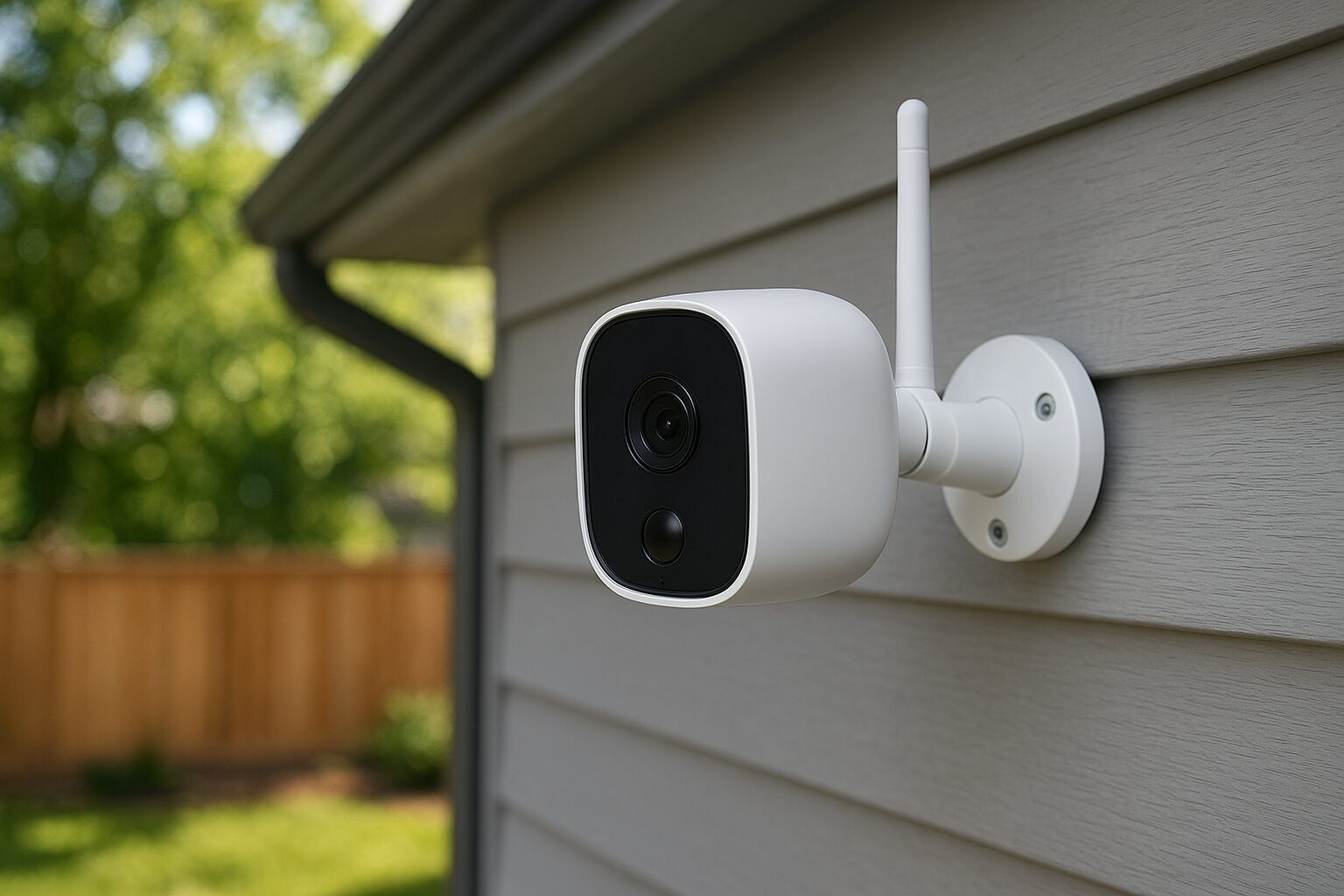
In today’s connected world, wireless security cameras have become more than just a luxury they’re a necessity. Whether you live in an apartment, own a house, or run a small business, keeping an eye on your property is crucial. With crime rates in many areas on the rise and smart home technology booming, demand for wireless surveillance systems is stronger than ever.
Unlike the old wired systems that required drilling holes and running cables everywhere, today’s cameras are designed for easy setup, strong Wi-Fi coverage, and remote monitoring. In this guide, we’ll break down everything you need to know about the best wireless security cameras—from features to look for, top models to consider, and expert tips on installation.
What Are Wireless Security Cameras?
A wireless security camera is a camera that connects to your network via Wi-Fi instead of cables. It sends video footage directly to your phone, tablet, or computer. Most modern cameras also allow cloud or local storage, giving you flexibility in saving recordings.
Wired vs Wireless Cameras:
- Wired Cameras: Require cables for power and video transmission. Reliable but difficult to install.
- Wireless Cameras: Use Wi-Fi for video, some use batteries or solar for power. Easier to set up, portable, and flexible.
Why They’re Popular:
- Plug-and-play installation.
- Seamless integration with smart homes.
- Remote access with mobile apps.
- Affordable options for every budget.
How Wireless Security Cameras Work
Wireless security cameras capture video using a lens and sensor, just like traditional cameras, but instead of sending footage through cables, they transmit data wirelessly over Wi-Fi or other wireless networks. The camera can record continuously, on a schedule, or when motion or sound is detected, and the footage is typically stored either on a cloud service or a local storage device like an SD card. Many modern wireless cameras also include features like night vision, two-way audio, and smart alerts, allowing you to monitor and interact with your property remotely via a smartphone, tablet, or computer. Essentially, wireless security cameras combine video capture, wireless transmission, and smart software to provide flexible and convenient home or business surveillance.
Benefits of Wireless Security Cameras
Here are the biggest reasons people prefer wireless surveillance systems:
Easy Setup – No drilling or messy wiring.
Remote Access – Monitor your home from anywhere using apps.
Flexible Placement – Put cameras where wiring would be impossible.
Scalability – Add more cameras as your security needs grow.
Key Features to Look for Models
When shopping for the best wireless security cameras, these are the must-have features:
- Video Quality – Choose at least 1080p HD, but many now offer 2K or 4K resolution.
- Night Vision – Clear footage even in complete darkness.
- AI Motion Detection – Smarter alerts that recognize people, pets, and vehicles.
- Two-Way Audio – Talk to visitors or scare off intruders.
- Cloud vs Local Storage – Decide whether you want to pay monthly fees or store recordings yourself.
- Battery Life / Solar Power – Look for rechargeable batteries or solar panel options for convenience.
- Stat to Note: According to Security.org, 76% of homeowners preferwireless cameras with AI detection features to avoid false alerts.
Top Wireless Security Cameras
Here are the top-rated models this year, chosen based on reliability, features, and value:
| Camera Model | Key Features | Pros | Best For |
|---|---|---|---|
| Arlo Pro Series | 2K HDR, AI detection, solar support | Great video, long battery | Best overall |
| Ring Stick Up Cam | Alexa integration, easy setup | Smart home ready, reliable | Amazon users, apartments |
| Google Nest Cam | AI alerts, 24/7 recording | Smart AI, great for indoors | AI enthusiasts |
| Blink Outdoor 4 | Budget-friendly, long battery life | Affordable, simple app | Budget-conscious users |
| EufyCam 3 | 4K video, no monthly fees | Local storage, sharp video | People avoiding fees |
| Reolink Argus | Solar-powered, wide coverage | Great for outdoors, rugged | Large properties |
difference between a wireless camera and a Wi-Fi camera
A wireless camera refers broadly to any camera that doesn’t use cables for transmitting video to a recorder, which can include Wi-Fi, cellular, or proprietary radio signals. A Wi-Fi camera, on the other hand, is a specific type of wireless camera that uses your Wi-Fi network to send video to your phone, computer, or cloud storage. In other words, all Wi-Fi cameras are wireless, but not all wireless cameras use Wi-Fi. Some wireless cameras, for example, transmit footage using 4G/5G or other RF signals, which can be useful in areas without Wi-Fi coverage. Understanding this distinction helps when choosing a camera based on your network setup and coverage needs.
| Feature | Wireless Camera | Wi-Fi Camera |
|---|---|---|
| Connection Type | Uses wireless signals (Wi-Fi, 4G/5G, RF) | Uses Wi-Fi network only |
| Internet Requirement | Not always required (depends on signal type) | Requires Wi-Fi internet connection |
| Range | Can vary based on signal type and transmitter | Limited by Wi-Fi coverage |
| Setup | May need a specific receiver or hub | Connects directly to Wi-Fi router or network |
| Remote Access | Possible if network or cellular supports it | Easy via app or cloud service |
| Typical Use Case | Areas without Wi-Fi, mobile or temporary setups | Homes and offices with Wi-Fi networks |
| Cost | Can be higher if using cellular signals | Usually lower, depends on features |
How to Choose the Right Camera for Your Needs
Not every wireless camera is built for the same purpose. Here’s how to narrow it down:
- For Apartments: Small, budget-friendly cameras like Blink or Ring.
- For Houses: EufyCam or Arlo for full coverage.
- For Small Businesses: Reolink for wider coverage and reliability.
- For Outdoor Use: Look for weatherproof & solar-powered models.
- For Indoor Use: Nest Cam for AI features and two-way talk.
Setting Up a Wireless Security Camera System
Installing a wireless camera is easier than ever:
- Charge or power up the camera.
- Download the companion app.
- Connect the camera to Wi-Fi.
- Position the camera at entry points (doors, windows, backyard).
- Test video & audio quality.
Pro Setup Tip (Graph Example)
Average Coverage vs. Camera Placement Efficiency
Front Door Camera   █████████████ 95%
Backyard Camera     ██████████ 82%
Living Room Camera  ████████ 75%
Garage Camera       █████████ 80%
Proper placement boosts coverage and reduces blind spots.
Future Trends in Wireless Security Cameras
Moving forward, wireless security cameras are set to become even more intelligent, connected, and user‑friendly. We can expect advancements like AI‑powered detection, which can distinguish between people, animals, and vehicles to reduce false alerts. Cloud and edge computing will make real‑time video processing faster and more reliable, while 5G and Wi‑Fi 7 connectivity will improve streaming quality and reduce latency. Battery life and solar charging will also get better, reducing maintenance needs. Integration with smart home ecosystems, voice assistants, and automation routines will make cameras part of a seamless security experience. Finally, increased focus on privacy and data security will ensure encrypted footage and secure access, giving homeowners peace of mind as technology evolves.
FAQs
Q1: Do wireless security cameras work without Wi-Fi?
Some do. Cameras with local storage can still record, but you won’t get remote access.
Q2: How long do batteries last?
Depending on use, anywhere from 3 months to 1 year. Solar options extend battery life.
Q3: Can wireless cameras be hacked?
Yes, if not secured. Always use strong passwords and enable two-factor authentication.
Q4: Do I need cloud storage?
Not always. Some models like EufyCam offer local storage to avoid subscription costs.
Q5: Are wireless cameras good for large properties?
Yes, but you may need multiple units or mesh Wi-Fi for strong coverage.
Q6. Can I monitor my security cameras remotely?
Most modern wireless security cameras offer remote monitoring through dedicated mobile apps. For example, ADT integrates Google Nest Cams with its ADT+ app, allowing users to view live feeds and receive alerts.
Q7. Are there wireless security cameras without monthly fees?
Yes, several options do not require a subscription:
- Lorex Cameras: Offer local storage options, eliminating the need for cloud subscriptions.
- Blink Mini 2K+: Supports local storage via a Sync Module with microSD cards.
- Reolink Altas Models: Provide color night vision and do not require a subscription.
Q8. Which wireless security camera offers the best night vision?
The Lorex Wireless Cameras are renowned for their exceptional night vision capabilities, with some models offering up to 100 feet of color night vision.
Conclusion
Choosing the best wireless security camera depends on your needs—whether it’s affordability,smart home integration, or outdoor coverage. Today’s leading models offer crystal‑clear video quality, dependable Wi‑Fi connectivity, night vision, motion alerts, and smart app control, making it easier than ever to monitor your property from anywhere. Whether you need outdoor coverage for driveways and yards or indoor monitoring for peace of mind, the top choices provide strong signal range, robust battery life, and useful features that match different budgets and needs. By choosing a camera with the right balance of ease, coverage, and smart functionality, you can create a security system that keeps your home safe and makes monitoring effortless.
Disclaimer
This article is for informational purposes only. Product features, availability, and pricing may change over time. Always check the manufacturer’s website for the latest details before making a purchase.