

Choosing the right light bulb might seem simple, but it actually affects your home’s mood, comfort, energy use, and even your monthly power bill. Whether you’re updating a room, replacing a burnt-out bulb, or switching to energy-efficient lighting, knowing the different types of light bulbs helps you make smart buying decisions and choose the best light bulbs for your space.
In this guide, you’ll learn the main light bulb types, how they work, and which ones are best for different spaces. We’ll also cover brightness, color temperature, cost, lifespan, and what to look for when buying bulbs.
How a Light Bulb Works
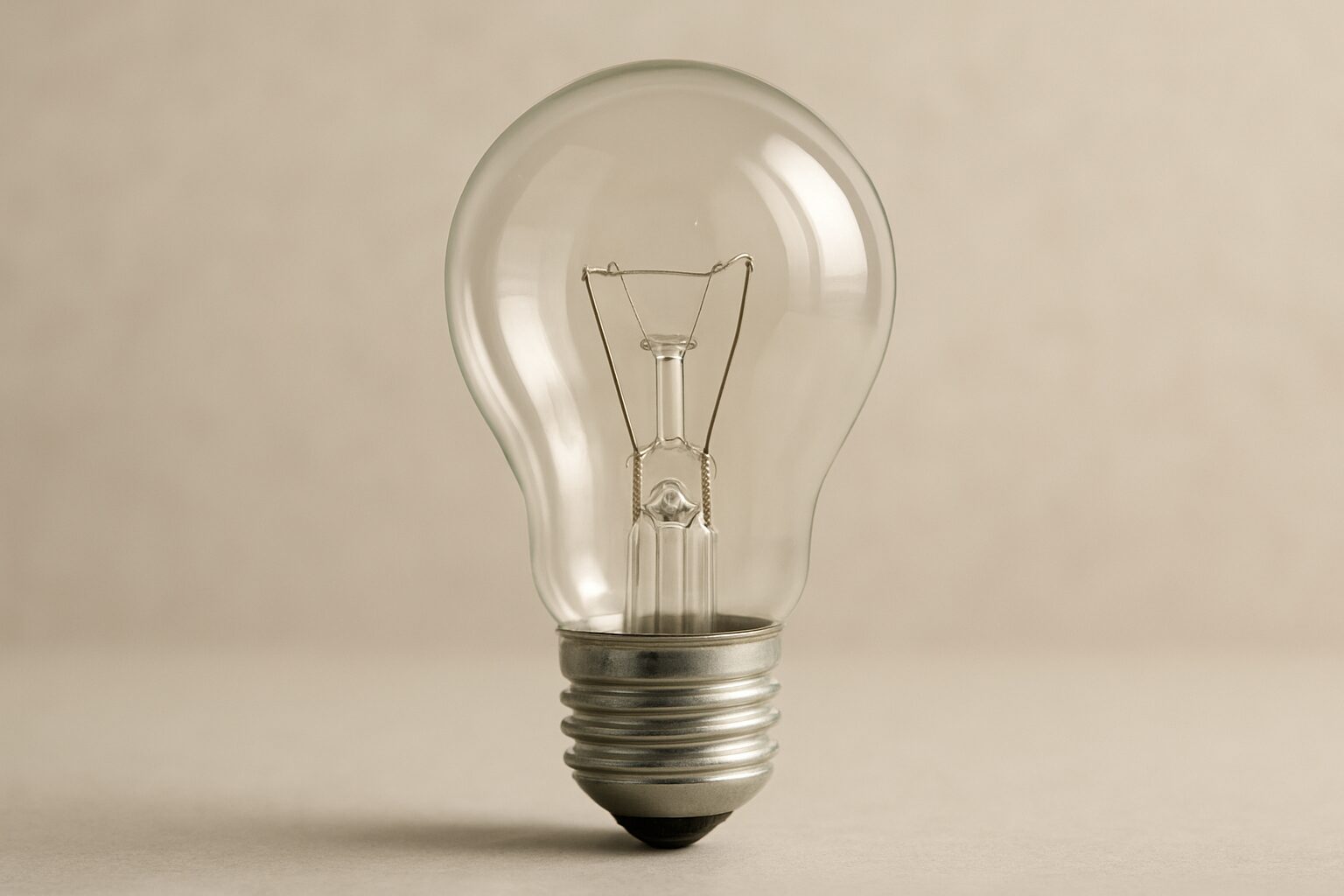
A light bulb produces light by converting electrical energy into visible light. In incandescent bulbs, electricity heats a tungsten filament until it glows, while fluorescent bulbs use electricity to excite mercury vapor, which emits ultraviolet light that a phosphor coating turns into visible light. LED bulbs work by passing electricity through a semiconductor, producing light efficiently with minimal heat. The glass enclosure protects the internal components and sometimes contains gas to improve performance and lifespan. Light bulbs are a simple yet essential technology that provides safe and reliable illumination for homes, offices, and public spaces.
Why Choosing the Right Light Bulb Matters
Light bulbs do more than brighten your home—they set the mood, affect your energy use, and impact long-term costs. A wrong bulb can make a room look too yellow, too dim, too harsh, or waste electricity. The right one creates comfort and savings.
Here’s what matters when choosing bulbs:
- Energy efficiency: LEDs are the most energy-efficient. Incandescent bulbs use the most power.
- Longevity: Some bulbs last only 1,000 hours, while others last up to 25,000.
- Cost: The cheapest bulbs often cost more in the long run due to short lifespan and high energy use.
- Brightness & color: Choosing warm, cool, or daylight tones can change how a room feels instantly.
Understanding Light Bulb Basics
Before choosing a bulb, you should know a few terms that appear on every box:
Wattage vs. Lumens
- Wattage tells how much energy a bulb uses.
- Lumens show how bright the bulb is.
Higher lumens = brighter light
Lower watts = less energy used
Color Temperature (Kelvin)
- Warm White (2700K–3000K): Cozy, yellowish light (best for bedrooms, living rooms)
- Cool White (3500K–4100K): Bright, clean light (best for kitchens, bathrooms)
- Daylight (5000K–6500K): Very bright, bluish light (best for offices, garages, reading)
Brightness Levels
Typical lumen ranges:
- 450 lumens = 40W equivalent
- 800 lumens = 60W equivalent
- 1100 lumens = 75W equivalent
Bulb Shapes & Sizes
Common shapes include:
- A19 – standard bulb shape
- BR30 – wide indoor floodlight
- GU10 – spotlight for track lighting
- G25/G30 – vanity globe bulbs
Base Types
- E26: Standard screw base
- E12: Small candle base
- GU24: Twist & lock base
Main Types of Light Bulbs
Incandescent Bulbs
Incandescent bulbs use a heated filament to create light.
Pros:
- Warm, natural-looking light
- Very cheap
Cons:
- Short lifespan (1,000 hours)
- Uses a lot of energy
- Being phased out in many countries
Best for:
Temporary lighting, vintage fixtures, soft warm areas
Halogen Bulbs
Halogens are similar to incandescent bulbs but use halogen gas to burn brighter.
Pros:
- Bright and crisp
- More efficient than incandescent
Cons:
- Gets very hot
- Shorter lifespan than LEDs
Best for:
Spotlights, track lighting, outdoor floodlights
CFL (Compact Fluorescent Light) Bulbs
CFLs use fluorescent gas and are shaped in spirals or tubes.
Pros:
- Uses less energy
- Longer lifespan than halogen
Cons:
- Contains mercury
- Takes time to reach full brightness
Best for:
Rooms with lights left on for long periods
LED (Light-Emitting Diode) Bulbs
LED bulbs are now the most popular lighting choice.
Why LEDs are the top choice:
- They use up to 85% less energy
- Long lifespan (up to 25,000 hours)
- Produce little heat
- Available in many colors and brightness levels
Cons:
- Higher upfront cost
Best for:
Every room in your home — bedrooms, kitchens, living rooms, offices, and outdoor spaces
Smart Bulbs
Smart bulbs are LED bulbs with added technology.
Features:
- App control
- Dimmable
- Color-changing
- Voice control (Alexa, Google Home)
- Scheduling
Pros: Convenience, ambience, automation
Cons: More expensive, requires Wi-Fi or a hub
Best for:
People who want mood lighting, remote control, and smart home features
Specialty Light Bulbs
Edison/Vintage Bulbs
Warm, antique-style filament bulbs
Best for décor and mood lighting
Tube Lights (Fluorescent & LED Tubes)
Long tubes used in garages, offices, stores
LED tubes use less power and last longer
Decorative Bulbs
Globe bulbs, flame-tip bulbs, candelabra bulbs
Perfect for chandeliers and vanity mirrors
Outdoor & Weather-Resistant Bulbs
Designed to handle heat, rain, wind
Best for porches, gardens, and driveways
Motion-Activated & Sensor Bulbs
Turn on with movement or darkness
Great for security lighting
How to Choose the Right Light Bulb
Choosing the best bulb depends on:
Room Size and Purpose
- Bedroom: Warm, dimmable light
- Kitchen: Bright, neutral white
- Living Room: Warm white
- Office/Study: Daylight or cool white
- Bathroom: Bright white
- Outdoor: Weather-resistant LEDs
Desired Ambiance
- Cozy? → Warm
- Clean and bright? → Cool
- Maximum clarity? → Daylight
Energy Savings
LED bulbs save the most money over time.
Budget
Incandescent costs less upfront, but LEDs are cheaper long-term.
Advantages and Disadvantages of Light Bulbs
Light bulbs are essential for providing reliable and instant illumination in homes, offices, streets, and public spaces. They come in a variety of types, including incandescent, fluorescent, LED, halogen, and smart bulbs, making it easy to choose one for any need. Modern bulbs, especially LEDs, are energy-efficient, long-lasting, and cost-effective over time. However, older bulbs like incandescent and halogen consume more electricity and generate excess heat. Some bulbs can be fragile, and certain types, like fluorescent bulbs, contain hazardous materials that require careful disposal. Overall, light bulbs offer convenience and versatility, but efficiency, lifespan, and safety depend on the type you choose.
Cost Comparison & Energy Efficiency
Here is a quick comparison of average bulb lifespans:
Lifespan Comparison
- Incandescent: ~1,000 hours
- Halogen: ~2,000 hours
- CFL: ~8,000 hours
- LED: ~25,000 hours
Long-Term Cost
Even with higher initial cost, LEDs save the most money because you replace them less often.
Environmental Impact
- LEDs produce less heat and reduce carbon footprint
- CFLs must be disposed of properly due to mercury
Installation & Safety Tips
Handling Different Bulb Types
- Let bulbs cool before removing
- Handle CFLs carefully; don’t break them
- Avoid touching halogen bulbs with bare hands
Smart Bulb Setup Basics
- Install the bulb
- Connect to Wi-Fi
- Use an app to control brightness, color, scheduling
Disposal Guidelines
- CFLs: Must be recycled (contains mercury)
- LEDs & halogens: Can be thrown away
FAQs About Light Bulbs
- What is the best bulb for reading?
Daylight LEDs (5000K–6500K) offer the best clarity. - Which bulbs use the least electricity?
LED bulbs use the least energy. - Are LED bulbs safe for enclosed fixtures?
Choose LEDs labeled “safe for enclosed fixtures.” - Can I replace CFLs with LEDs?
Yes, as long as the base size matches. - Why do some bulbs flicker?
It can be caused by loose wiring, dimmer issues, or old bulbs. - Do LEDs get hot?
They get warm but not as hot as halogens or incandescent bulbs. - Are smart bulbs worth it?
They offer convenience, automation, and mood lighting. - How many lumens do I need for a bedroom?
Around 800–1,200 lumens total. - Which color temperature is best for makeup?
Cool white or daylight. - How often should I replace bulbs?
LEDs can last several years; replace when dim or not working.
Conclusion
Choosing the right light bulb doesn’t have to be confusing. If you want long-lasting, energy-efficient, and bright lighting, LEDs are the best option for almost every situation. Halogens offer bright light but run hot, while CFLs are efficient but contain mercury. Incandescent bulbs are warm and cheap but not energy-friendly. Before buying, always check lumens, Kelvin color temperature, shape, and base size. The right bulb can improve your comfort, reduce energy costs, and make your space look better.
Disclaimer
This guide is for educational purposes only. Product availability, features, and performance can vary by brand and region. Always read manufacturer labels and safety instructions before installing or replacing any light bulb.

If you’re looking for a fresh puzzle experience, poxelio delivers! Its unique mechanics and challenging gameplay will keep you hooked. With its vibrant visuals and satisfying progression, this game is a must-try for any puzzle enthusiast. Prepare to be engrossed!