
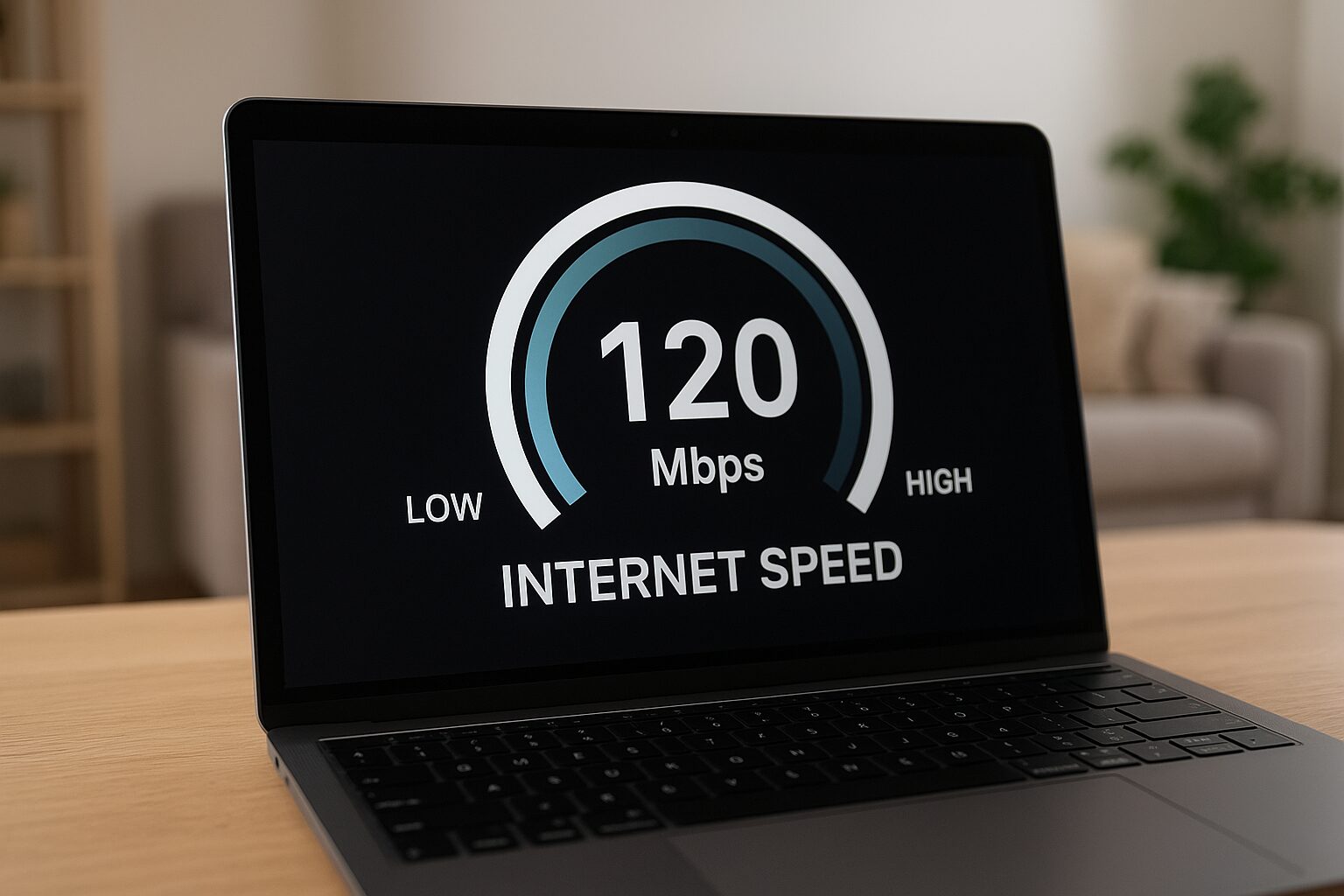
Understanding internet speed can feel confusing, especially when technical terms like Mbps, bandwidth, and latency come into play. But don’t worry—this guide explains everything in simple, human language so anyone can understand it. Whether you’re streaming, gaming, working from home, or just browsing, knowing what Mbps means can help you choose the right internet plan and improve your online experience.
Introduction to Mbps
What Is Mbps?
Mbps stands for megabits per second. It measures how fast data moves from the internet to your device. Think of it as how quickly water flows through a hose—the higher the Mbps, the faster the flow. Mbps is commonly used to describe download and upload speeds provided by Internet Service Providers (ISPs). Higher Mbps numbers generally mean faster downloads, smoother streaming, quicker file transfers, and better online gaming experiences. However, actual performance can depend on network congestion, device capability, and Wi-Fi quality.
Why Mbps Matters
Mbps (Megabits per second) matters because it directly affects the speed and quality of your internet connection. The higher the Mbps, the faster data can travel between your devices and the internet, which impacts activities like streaming videos, online gaming, video conferencing, and downloading files.
For example, low Mbps speeds can cause buffering, lag, and slow downloads, while higher Mbps speeds ensure smooth, uninterrupted online experiences. Choosing the right Mbps for your household or business is essential, especially if multiple devices are connected simultaneously.
Megabits vs. Megabytes (Mb vs. MB)
Many people confuse Mb with MB, but they are very different:
- Mb = megabit (used for internet speed)
- MB = megabyte (used for file sizes)
1 Byte = 8 bits, so:
- 1 MB = 8 Mb
This means a 100MB file is actually 800Mb when downloading.
Understanding Internet Speed Measurements
Mbps as a Data Transfer Speed
Mbps measures how much data your connection can move each second. For example:
- 50 Mbps = can transfer 50 megabits per second
- 200 Mbps = can transfer 200 megabits per second
The higher the number, the faster your internet.
Common Speed Units
Here’s how speed units compare:
| Unit | Meaning | Example Use |
|---|---|---|
| Kbps | Kilobits per second | Very slow networks |
| Mbps | Megabits per second | Home & mobile internet |
| Gbps | Gigabits per second | High-end fiber connections |
How Mbps Affects Online Activities
- Browsing & social media: 5–10 Mbps is enough
- HD video streaming: 10–25 Mbps
- 4K streaming: 25–50 Mbps
- Online gaming: 20–50 Mbps (but latency matters more)
- Downloading big files: Higher Mbps = faster downloads
How Mbps Works
Mbps (Megabits per second) measures the rate at which data travels over a network. When you request content online—like streaming a video, downloading a file, or browsing a website—data is transmitted in bits, the smallest units of digital information. Mbps quantifies how many millions of bits can be sent or received each second. For example, if your internet speed is 100 Mbps, it means your connection can handle 100 million bits per second. Higher Mbps allows faster downloads, smoother streaming, and quicker uploads, while lower Mbps can result in buffering, slow downloads, or lag during online gaming.
Mbps works hand-in-hand with network infrastructure, such as routers, modems, and fiber-optic or cable lines, to determine actual internet performance. Multiple devices sharing the same connection also affect how effectively your Mbps is utilized.
Factors That Affect Mbps
Several issues can slow your connection:
- Latency: How long it takes data to travel
- Bandwidth: How much data the network can carry at once
- Network congestion: Too many devices using the internet at the same time
Upload vs. Download Mbps
- Download speed: How fast you receive data (streams, downloads)
- Upload speed: How fast you send data (sending files, video calls)
Most internet plans offer higher download speeds than upload speeds.
What does Mbps mean for internet?
In the context of the internet, Mbps (Megabits per second) indicates how fast data can travel between your devices and the internet. It’s the standard measurement for download and upload speeds, showing how many millions of bits are transmitted each second.
Higher Mbps means your internet connection can handle more data at once, resulting in faster downloads, smoother video streaming, quicker uploads, and better performance for online gaming or video calls. Conversely, lower Mbps can lead to buffering, slow page loads, and lag, especially when multiple devices are connected. Essentially, Mbps tells you how fast your internet connection is, helping you choose the right plan for your household or business needs and ensuring your online activities run efficiently.
Visual: Example of Internet Usage and Recommended Mbps
Activity             | Recommended Speed
---------------------|-------------------
Browsing/Email       | 5 Mbps
HD Streaming         | 10–25 Mbps
4K Streaming         | 25–50 Mbps
Online Gaming        | 20–50 Mbps
Video Meetings       | 10–20 Mbps
Smart Home Devices   | 1–2 Mbps each
Mbps vs. Other Speed Metrics
Mbps vs. MBps
- Mbps = megabits per second
- MBps = megabytes per second
- 1 MBps = 8 Mbps
MBps is eight times larger because it measures bytes, not bits.
Mbps vs. Kbps vs. Gbps
- Kbps: Very slow, used for old networks
- Mbps: Standard for home internet
- Gbps: Extremely fast, used for modern fiber plans
Why ISPs Advertise Speeds in Mbps
Because Mbps makes their speeds look higher.
For example:
A “100 Mbps” plan sounds faster than a “12.5 MBps” plan—even though they’re the same.
How Much Mbps Do You Really Need?
Choosing the right speed depends on your activities and number of devices.
Recommended Mbps
- Basic browsing: 5–10 Mbps
- HD streaming: 10–25 Mbps
- 4K streaming: 25–50 Mbps
- Online gaming: 20–50 Mbps
- Video conferencing: 10–20 Mbps
- Smart home devices: 1–2 Mbps per device
Total Household Needs
If you live with 3–5 people using multiple devices, you may need:
- 100–300 Mbps for a smooth experience
- 500 Mbps–1 Gbps for heavy users or large families
How to Check Your Mbps Speed
How Speed Tests Work
A speed test checks:
- Download speed
- Upload speed
- Ping (latency)
- Jitter (speed variations)
Understanding the Results
- High download speed = fast streaming and browsing
- High upload speed = clear video calls and quick file uploads
- Low ping = good for gaming
- Low jitter = stable connection
Best Tools to Test Your Speed
You can check your Mbps using online speed test tools.
How to Improve Your Mbps Performance
Even with a good plan, you can still face slow speeds. Here’s how to fix that:
1. Optimize Router Placement
Place your router:
- In the center of your home
- Away from walls and appliances
- Off the floor
2. Switch Wi-Fi Bands
- 2.4GHz = wider range, slower
- 5GHz = shorter range, faster
3. Use a Wired Connection
Ethernet cables give you:
- More stability
- Higher speed
- Lower latency
Perfect for gaming and streaming.
4. Upgrade Your Plan or Contact ISP
If you still experience slow speeds:
- Check for outages
- Ask for a plan upgrade
- Request modem replacement
Mbps in Modern Internet Plans
Typical ISP Speed Ranges
Most providers offer:
- 25–100 Mbps: Basic plans
- 100–300 Mbps: Standard home use
- 500–1000 Mbps (1 Gbps): High-speed fiber plans
Fiber vs. Cable vs. DSL Speeds
| Connection Type | Typical Speed | Notes |
|---|---|---|
| Fiber | 300–1000 Mbps+ | Fastest, most reliable |
| Cable | 50–500 Mbps | Common in many homes |
| DSL | 5–50 Mbps | Older and slower |
What Counts as Fast Internet Today?
- 200 Mbps and above is considered fast
- 1 Gbps is excellent for heavy users
Common Myths About Mbps
Myth 1: Higher Mbps Always Means Faster Internet
Not always. Your speed also depends on:
- Latency
- Router quality
- Network congestion
Myth 2: You Need 1 Gbps to Stream
False.
Even 25 Mbps is enough for 4K streaming.
Myth 3: Upload Speed Doesn’t Matter
It matters for:
- Video calls
- Online gaming
- Cloud backups
- Remote work
Conclusion
Megabits per second (Mbps) is a standard measure of internet speed and data transfer rate, indicating how many millions of bits of data can be transmitted per second. It’s a key metric for understanding your download and upload speeds, directly impacting how smoothly you can stream videos, play online games, conduct video calls, or download files.
Higher Mbps means faster, more reliable internet, while lower Mbps can lead to buffering, lag, and slower performance, especially on multiple devices. Whether for home or business use, knowing your Mbps helps you choose the right internet plan and ensures your connection meets your digital needs efficiently.
Frequently Asked Questions (FAQs)
1. What does Mbps mean?
Mbps means megabits per second, measuring internet speed.
2. How many Mbps do I need for Netflix?
You need at least 15–25 Mbps for HD or 4K streaming.
3. Is 100 Mbps fast?
Yes, 100 Mbps is fast enough for most households.
4. Why is my Mbps slow?
Causes include router issues, too many devices, Wi-Fi interference, or ISP problems.
5. What is a good upload speed?
At least 10–20 Mbps for video calls and cloud uploads.
6. Is Mbps the same as MBps?
No. MBps measures bytes; Mbps measures bits.
1 MBps = 8 Mbps.
7. What is ping?
Ping measures how quickly your device communicates with the server.
8. Does gaming need high Mbps?
Gaming needs more stability and low ping than high Mbps.
But 20–50 Mbps is ideal.
9. How do I increase my Mbps?
Place your router correctly, use 5GHz Wi-Fi, or use Ethernet.
10. What is considered fast internet today?
Anything over 200 Mbps is considered fast for most homes.
Disclaimer
This article is for general informational purposes only. Internet speeds, requirements, and performance may vary based on location, provider, device quality, and network conditions. Always consult your internet service provider for accurate and updated details.